Nagasaki opens year two of Japan's first prefectural nomad residency
Nagasaki opens July 1 applications for year two of its nomad residency: 20 spots and one month of free lodging for remote workers who contribute locally.
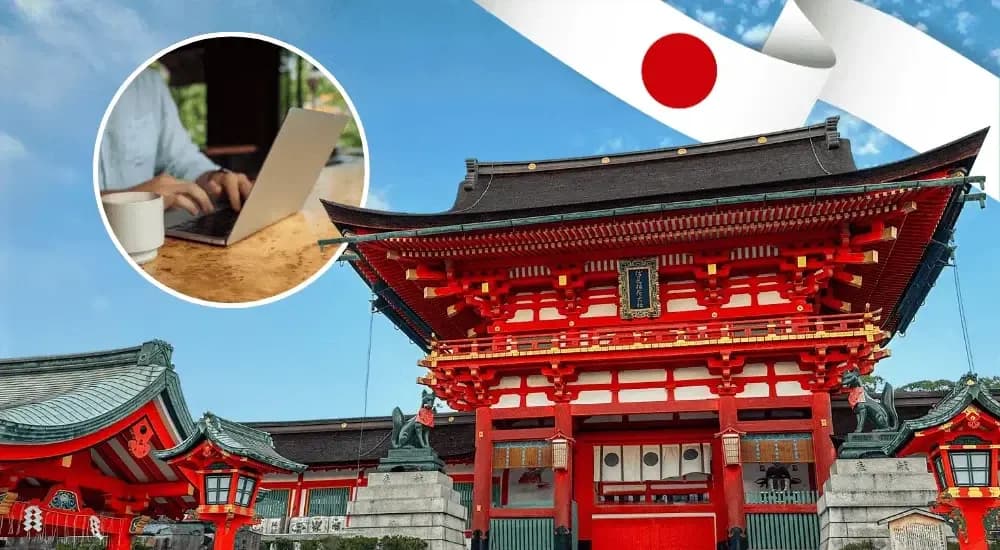

Nagasaki Prefecture will open applications on Wednesday, July 1, 2026 for the second edition of its Nagasaki Nomad Residency, a one-month program that offers selected remote workers free accommodation, coworking access, and in-prefecture transport in exchange for community contributions.
According to an official announcement published June 10, 2026, the program is commissioned by Nagasaki Prefecture, operated by Yugyo Inc., and supported by the Japan Digital Nomad Association and Japan Workation Association. Twenty participants will check in on October 18, 2026, with the core residency running October 19 through November 14.
For remote workers already eligible to enter Japan, this is a subsidized month in one of the country's most internationally connected cities; it is not a visa pathway or a passive tourist stay.
Why Nagasaki is betting on nomads
Nagasaki has framed digital nomads as part of its regional revitalization strategy under its prefectural plan Change & Challenge 2025, which targets a "global relationship population" of people who maintain long-term ties without becoming permanent residents. The city's Dejima history as Japan's only open port during the isolation era is central to that pitch: officials want working professionals who can connect Nagasaki's layered past with global networks, not just short-stay tourists.
The 2025 pilot drew 600+ applications from around the world for a smaller cohort, according to prefectural materials cited in the announcement. That demand helped Nagasaki scale the 2026 edition to 20 participants, with at least two-thirds reserved for international applicants. The program sits alongside Japan's national push to attract remote workers, including the Japan digital nomad visa launched in 2024, and regional efforts such as Colive Fukuoka in nearby Kyushu.
In January 2026, The New York Times ranked Nagasaki #17 on its "52 Places to Go in 2026" list, citing the city's history and renewed infrastructure. The prefecture's tourism board has also promoted Nagasaki as a remote-work base on its official visitors' site.
What is confirmed and what remains unclear
As of June 2026, the following details are confirmed:
- Capacity: 20 participants (at least two-thirds international).
- Dates: Check-in October 18; program October 19–November 14; check-out November 15.
- Covered costs: Accommodation, in-prefecture transport between program bases, and access to designated coworking spaces.
- Your costs: Flights, daily meals, and optional cultural activities.
- Application channel: Newsletter subscribers at nagasakinomad.com receive the form when applications open July 1.
- Selection: Rolling review, with the final cohort confirmed by mid-August.
- Visa: The program does not sponsor visas or residency status.
What is not yet fully spelled out: Detailed 2026 scoring criteria and contribution themes will roll out through newsletter issues over the coming weeks. The announcement describes a contribution-based model where applicants propose workshops, content, mentoring, or business support, but specific quotas or required outputs are still pending.
Self-funded extensions before, during, or after the official month are allowed, but housing and immigration remain entirely your responsibility.
What remote workers should do now
If you want to apply:
- Subscribe now to the Nagasaki Nomad newsletter. The application form is delivered only to subscribers when the window opens July 1.
- Draft a contribution proposal. Past cohorts hosted school sessions, supported local businesses, and produced content about Nagasaki. Selection turns on fit and contribution quality, not just your follower count.
- Sort your Japan entry status early. A one-month stay fits comfortably within visa-exempt limits for many passports. If you plan a longer Japan trip, review whether you qualify for the Japan digital nomad visa separately; the residency does not change immigration rules.
- Budget for everything outside the program. Flights, food, and any self-funded extensions are on you. For broader context on working in the country, see our digital nomad guide to Japan.
If you are not applying: nothing changes for travelers heading to Nagasaki or Japan more broadly. Standard entry rules still apply, and the residency is a selective cohort program, not a new national policy.
Watch for the mid-August cohort announcement if you subscribe but miss the initial window; all applicants receive a response according to the prefecture's operator.
Want more digital nomad news?
Sign up for our free newsletter and get upcoming articles straight to your inbox.

Find places, workspaces, events and a community that gets you.
Get Freaking Nomads Pro
Digital nomad and co-founder of Freaking Nomads. After leaving a corporate job in London, I co-created Freaking Nomads to inspire others to embrace remote work and find happiness wherever they go.
Read Next


Top Digital Nomad Visas in Schengen Countries

Germany Digital Nomad Visa: Everything You Need to Know