Thailand prepares to scale back its 60-day visa-free stay
Thailand may scale back 60-day visa-free entry amid a screening and sustainable-tourism review. No new rule is in force yet; what nomads should do now.
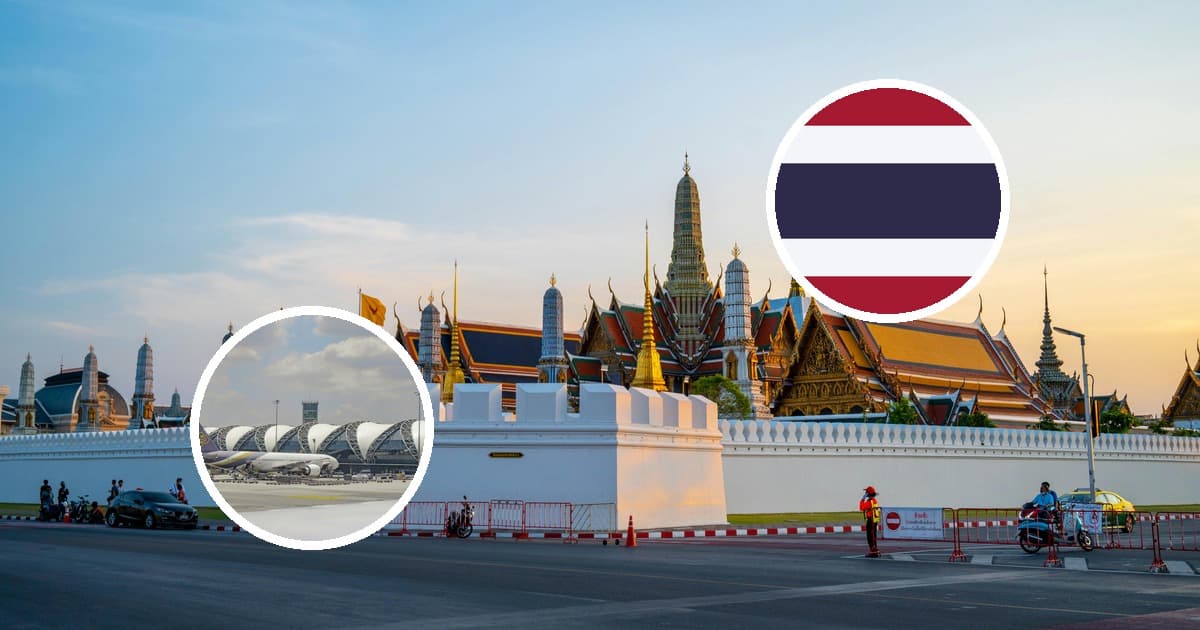

Thailand plans to review and scale back its 60-day visa-free entry while tightening screening for sustainable, higher-value tourism. On 23 April 2026 The Straits Times quoted Tourism Minister Surasak Phancharoenworakul saying the issue will go to Cabinet after Foreign Ministry and security talks. Nothing has changed at the border for nomads, but the easy two-month visa-free hop may not last.
The main purpose of the visa overhaul was to use the system as an initial screening tool, reduce problems linked to undesirable visitors and focus more on travellers who bring stronger long-term value to the economy and society, he added.
The minister said the current direction is to move away from the blanket 60-day visa-free stay and return to a more suitable country-by-country framework, while people who need longer stays should use other visa channels such as the Destination Thailand Visa (DTV), which can allow stays of up to 180 days per entry for eligible remote workers and other categories.
He cited data from the trial period showing that around 90 per cent of tourists stay in Thailand for no more than 30 days, arguing a shorter visa-free window would better match real travel patterns. He framed the broader goal as sustainable tourism growth built around safety, confidence, and greener development so that tourism delivers lasting benefits to communities and the wider economy.
Why Thailand offered 60 days in the first place
In mid-2024, Thailand widened visa-free and visa-on-arrival access for nationals of 93 countries and territories and extended the standard visa-exempt stay to 60 days, up from 30, as part of a post-pandemic push to revive arrivals. Many nomads welcomed the change because it made short-to-medium stays simpler without an embassy visit.
That expansion sits alongside other tracks Thailand has opened for longer legal stays, including the DTV and routes covered in our Thailand digital nomad visa guide. If you are weighing bases in the kingdom, our overview of the best places in Thailand for digital nomads and the digital nomad guide to Bangkok still give the on-the-ground picture.
Confirmed facts versus open questions
Confirmed as of late April 2026: senior ministers have described a policy review underway, publicised the data point on typical tourist stay length, and said the file is heading to Cabinet. The 60-day visa-exempt regime for eligible nationalities remains the published rule until any new royal decree, ministerial regulation, or immigration instruction says otherwise. For the wording on your passport category today, check your nearest Thai embassy or consulate, for example the Royal Thai Embassy public service pages.
Still unclear: whether the final decision will land at 30 days visa-free, a 30+30 style split with a paid extension, or a different mix by nationality. There is no announced start date for any rollback, and secondary details such as future Electronic Travel Authorisation requirements remain tied to separate announcements.
Who wins and who worries
Official messaging emphasises community pressure, illegal work, and scam networks that exploit long, low-friction tourist stays. Tourism operators who depend on long-stay guests and flexible repeat entries have in past cycles warned that shorter visa-free windows could soften bookings or push more visitors toward informal workarounds. The government line is that genuine holidaymakers rarely need 60 visa-free days, and that quality should matter more than raw headcount.
Neither side has a monopoly on the outcome: if enforcement tightens without clearer long-stay alternatives at the counter, friction rises for everyone. If longer routes such as the DTV stay predictable and well explained, many remote workers can still plan legal multi-month stays.
What you should do now
If you are already inside Thailand on a visa exemption: you are still governed by the stamp you received. Watch Immigration Bureau and Ministry of Foreign Affairs channels for hard law changes rather than rumour threads.
If you are planning more than 30 days: assume the 60-day visa-free cushion may shrink. Build a primary plan around a proper visa category that matches your activity, keep payslips or client contracts ready for DTV-style applications, and avoid treating back-to-back visa exemptions as a permanent residence strategy.
If you only need a short holiday: you will probably notice little day-to-day change even if the cap drops to 30 days, because most tourist trips already sit under that mark.
Thailand is not closing the door. It is retuning who walks through on autopilot. Nomads who keep paperwork clean and pick the right visa lane should still find the kingdom workable; those who relied on the longest possible visa-free window should treat this as a prompt to upgrade their status before the rules do.
Want more digital nomad news?
If you want more digital nomad and remote work news like this, sign up for our free newsletter and get updates straight to your inbox.

Find places, workspaces, events and a community that gets you.
Get Freaking Nomads Pro
Digital nomad and co-founder of Freaking Nomads. After leaving a corporate job in London, I co-created Freaking Nomads to inspire others to embrace remote work and find happiness wherever they go.
Read Next

EES chaos at Schengen airports strands passengers as flights depart half-empty

Japan triples international tourist departure tax from July