Germany Digital Nomad Visa: Everything You Need to Know
Germany doesn’t have a digital nomad visa, but freelancers can apply for a residence permit. Learn who qualifies, costs, and how to apply.
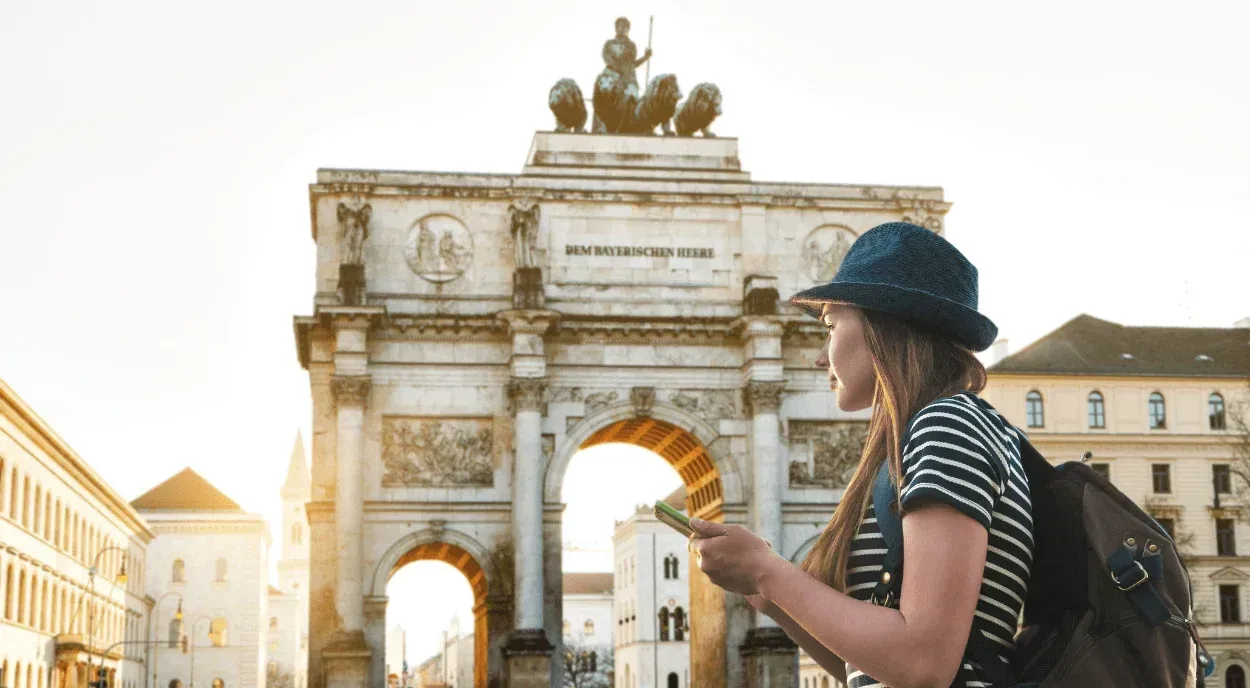

Germany doesn’t have an official digital nomad visa. And yet, thousands of freelancers choose it as their European base.
Through its Freelancer Residence Permit, self-employed professionals can live and work legally in Germany while enjoying Schengen access and the stability of an EU country.
That combination is exactly why Germany keeps showing up among the best places in Europe for digital nomads, even without a visa designed specifically for nomads.
This guide explains what the so-called Germany Digital Nomad Visa really is, who can apply, how the process works, and what to expect in terms of costs, timelines, and taxes.
Does Germany Have a Digital Nomad Visa?
Short answer: no, there’s no official Germany Digital Nomad Visa.
What Germany does offer instead is a Freelance Residence Permit. This is a residence permit for self-employed people working in the so-called Freie Berufe (liberal professions), and in some cases for freelancers running a small commercial activity.
This permit:
- Is usually granted for one to three years initially
- Can be renewed if you can show your work is viable and you can support yourself financially
- Allows you to live and work in Germany as a freelancer, while also traveling freely within the Schengen area
What Qualifies a “Liberal Profession”?
The key requirement for the Freelance Residence Permit is that your work falls under one of Germany’s so-called liberal professions (Freie Berufe).
Under German rules, liberal professions are intellectual, knowledge-based, or service-oriented activities that don’t follow a classic commercial business model. You’re essentially selling your expertise, not products.
Common examples include:
- Creative professions such as writers, graphic designers, photographers, and artists
- Technical or knowledge-based roles like developers, consultants, translators, architects, and interpreters
The not-so-good news: if your work involves ecommerce, dropshipping, or running an online shop with stock, logistics, and product sales, Germany usually considers this commercial activity (Gewerbe), not freelance work.
In those cases, the Freelance Residence Permit generally doesn’t apply, and you’ll need to look into a different type of self-employed residence permit tied to running a business.
Who Can Apply for the Freelancer Residence Permit?
This residence permit is aimed at non-EU citizens who want to work in Germany as independent professionals.
In general, authorities focus on three main things:
- Your profession: Your work needs to fit within the framework of the Freie Berufe (liberal professions) or another recognised form of self-employment.
- Your income plan: You need to show there’s real demand for what you do. This usually means having clients, ideally including some based in Germany, and proof that you can financially support yourself.
- Your basic integration: Things like a registered address in Germany, valid health insurance, and some knowledge of German. The language part isn’t always mandatory, but it definitely helps.
For some nationalities, the process is a bit more flexible. If you’re from Australia, Israel, Japan, Canada, South Korea, New Zealand, the United Kingdom, or the United States, you can enter Germany without a visa, settle in, and apply for the residence permit from inside the country.
Most other nationalities usually need to apply for a national D visa at a German embassy or consulate before travelling.
Required Documents for the Freelancer Residence Permit
The exact list can vary slightly depending on the city (Berlin doesn’t ask for exactly the same things as Munich or Hamburg), but in most cases you’ll be asked to provide the following:
- Completed application form for the national visa or residence permit
- Valid passport
- Biometric passport photos
- CV and motivation letter explaining what you do and why you want to base yourself in Germany
- Proof of professional qualifications, such as degrees, diplomas, a portfolio, or documented work experience
- Letters of intent from clients, ideally two or more German clients, stating that they plan to work with you and outlining expected pay
- Income and expense plan or a short business plan showing you can financially support yourself
- Proof of sufficient funds to cover at least one year of living costs (around €11,800 per adult is often used as a reference minimum)
- German health insurance
- Proof of accommodation, such as a rental contract, including your monthly housing costs
- Proof of pension or retirement savings if you are over 45 years old
How to Apply for the Freelancer Residence Permit
1. Apply from outside or inside Germany
This depends on your passport.
- If your nationality requires a national D visa, you’ll need to apply at the German embassy or consulate in your home country before entering Germany.
- If you’re from the United States, Canada, Australia, New Zealand, Japan, South Korea, Israel, or the United Kingdom, you can enter Germany as a tourist, get settled, and apply directly at the Ausländerbehörde (immigration office) within your first 90 days.
2. Choose a city and find a place to live
You’ll need a registered address in Germany, which means finding a place to live and completing your local registration (Anmeldung). Berlin is the most popular choice, but it’s also known for long waiting times at the immigration office. Cities like Hamburg, Leipzig, or Cologne can sometimes be faster and less overwhelmed.
3. Gather your documents
Client letters, translations (if needed), choosing acceptable German health insurance, and proving sufficient savings all take time. The more organised you are here, the smoother everything else becomes.
4. Book an appointment
Where you book depends on where you apply from.
- Applying from abroad: book an appointment at the German embassy or consulate for a self-employment (D) visa.
- Applying from within Germany: book an appointment at your local Ausländerbehörde.
In cities like Berlin, it’s common to submit your documents first via an online contact form and receive an appointment later.
5. Interview and document submission
You’ll attend your appointment with a complete folder of documents and answer some very standard questions:
- What exactly do you do?
- Who are your clients?
- Why Germany?
- How will you support yourself financially?
Having a clear, simple explanation of your work prepared in advance helps a lot, especially when nerves kick in.
6. Wait for the decision
Once everything is submitted, processing times vary widely by city, but it’s common to wait several weeks or even a few months after your appointment before receiving a decision.
Freelancer Residence Permit Costs and Timeline
There’s no single, fixed fee across all of Germany, but to give you a realistic idea of what to expect:
- Application fees for the freelancer residence permit usually range between €75 and €124, depending on the type of permit and the local immigration office.
- Processing times are typically around 6 to 10 weeks once your application has been submitted. That said, in cities like Berlin, the biggest delay is often getting the appointment in the first place rather than waiting for the final decision.
Best Places to Live in Germany as a Digital Nomad
Germany is a surprisingly diverse country, and life can feel very different depending on where you land. Your ideal city really comes down to your personality and the kind of lifestyle you want.
Berlin
Chaotic, creative, and still relatively affordable compared to other Western European capitals. Berlin is highly international, has a massive tech and startup scene, and no shortage of coworking spaces, meetups, and events.
If you liked the alternative, slightly messy energy of cities like Prague, Berlin feels like the same movie, just on a bigger, louder screen.
The popularity comes at a cost, though. Immigration offices are often overloaded, and appointments and processing times tend to be slower.
Hamburg
Further North, Hamburg feels more polished and organised. It’s a port city with strong cultural life, a high level of English, and a generally calm, professional atmosphere.
It’s a great fit if you want quality of life, structure, and a slightly more “grown-up” pace without losing international flair.
Munich
If mountains, lakes, and outdoor life matter to you, Munich is hard to beat. It’s close to the Alps, extremely safe, and very well run.
The trade-off is cost and vibe. Munich is more expensive and more corporate, making it a better match if you work with established companies or more traditional industries.
Leipzig or Cologne
Both cities have strong university roots, which keeps them relatively affordable and gives them a younger, more creative feel.
They offer solid international communities, lively cultural scenes, and a good balance if you want Germany without the intensity (or price tag) of Berlin or Munich.
Taxes and Legal Considerations
I’ll keep this part intentionally simple, because this is one area where speaking to a professional really pays off.
If you live and work in Germany under the freelancer residence permit, the expectation is that you register as self-employed in Germany and pay taxes there.
Germany may treat you as a tax resident if your main life and work are based in the country and you spend most of the year there. Once that happens, German tax rules apply.
Germany does have double taxation treaties with many countries, but how (and if) they help depends entirely on your specific situation: your nationality, where your company is registered, where your clients are based, and how your income flows.
In plain terms: the residence permit lets you stay in Germany, but it doesn’t bypass the tax system. If you’re planning to stay more than a short period, talk to a Steuerberater (German tax advisor) early on and save yourself a lot of stress later.
FAQs
Can I apply when I’m already in Germany?
It depends on your passport. If you’re from countries like the United States, Canada, Australia, New Zealand, Japan, South Korea, Israel, or the United Kingdom, you can enter Germany without a visa, register your address, and apply for the permit from inside the country.
Most other nationalities usually need to apply for a national D visa at a German embassy before travelling.
Do I need German clients?
Technically, you can have international clients. In practice, many immigration offices want to see at least two letters of intent from German clients, including your rates and the type of work you’ll do. This helps show that there’s real local demand for your services.
How much money do I need to show?
There’s no single number written into the law, but many offices use the cost of living for one year as a reference. A common benchmark is around €11,800 for one adult, with higher amounts expected if you’re bringing family members.
What professions qualify for the visa?
Mainly the liberal professions: creatives, developers, consultants, translators, artists, and similar roles. If your work looks more like running a shop, handling logistics, or trading goods, you’ll likely fall under Gewerbe and need a different type of self-employed residence permit.
Can I work for a foreign employer on a standard employment contract?
No. The freelancer residence permit is designed for independent work, not for classic employee contracts. If you have a full-time employment contract, you’ll need a different permit, such as a skilled worker residence permit or an EU Blue Card.
What’s the difference between Freiberufler and Gewerbe?
Freiberufler refers to liberal professions. These usually come with fewer commercial tax obligations and a slightly simpler setup if your profession qualifies.
Gewerbe covers commercial or business activities. This involves registering a business, additional tax obligations, and often a different type of residence permit.
Ready to Make Germany Your Next Digital Nomad Base?
Find places, workspaces, events and a community that gets you.
Get Pro access
Written by
Angelina Bertoni
After trying the conventional life, I packed everything into a backpack and started walking the world. I feel the energy of the spaces I explore — and that’s what I write about.

Freaking Nomads is supported by you. Clicking through our links may earn us a small affiliate commission, and that's what allows us to keep producing free, helpful content. Learn more
Read Next


Iceland Digital Nomad Visa: Application and Requirements


Turkey Digital Nomad Visa: How to Apply and Requirements