Europe Urges Remote Work and Less Driving Amid Iran-Linked Oil Shock
EU officials urge remote work and less driving as Iran-linked oil shocks strain fuel. What's guidance, not law, for nomads in Europe?
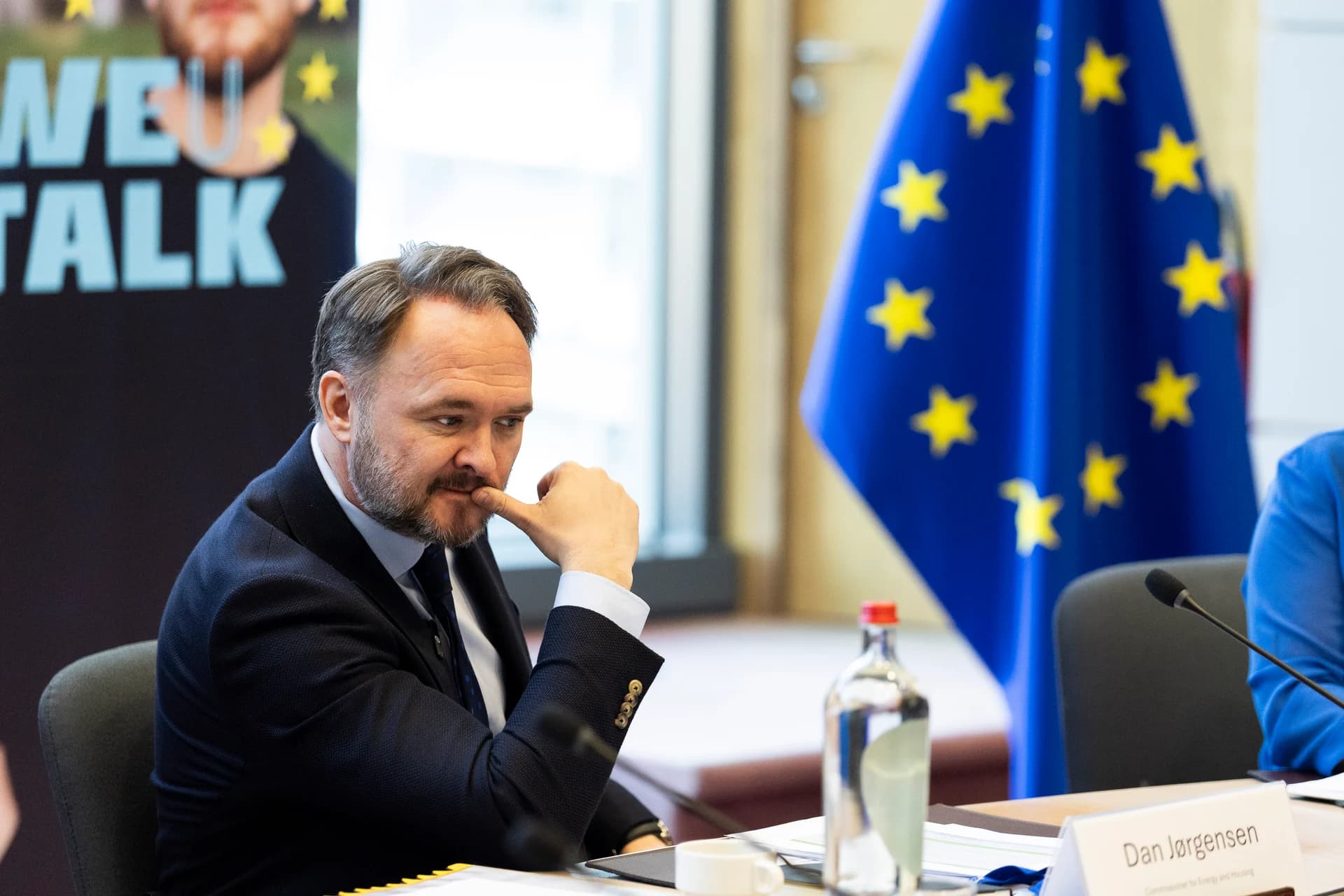

Europe's energy chief is urging people to work from home where possible, drive less, and avoid unnecessary flights as the war in the Middle East rattles oil markets. Speaking after an extraordinary meeting of EU energy ministers, Energy Commissioner Dan Jorgensen said Europe faces a "very serious situation" with no clear end in sight. For remote workers and travelers, this is a warning about rising fuel costs and possible new demand-cutting measures, not a new legal rule.
According to the International Energy Agency, governments, businesses, and households can ease pressure on diesel and jet fuel by working from home, cutting highway speeds by at least 10 km/h, using public transport, car sharing, and avoiding air travel where alternatives exist. IEA Executive Director Fatih Birol said the report offers "a menu of immediate and concrete measures" to shelter consumers from the crisis.
Politico reported that Jorgensen echoed that playbook after Tuesday's ministerial meeting, saying, "The more you can do to save oil, especially diesel, especially jet fuel, the better we are off."
"Even if ... peace is here tomorrow, still we will not go back to normal in the foreseeable future."
What matters now: This is guidance, not a binding EU-wide rule.
Why Europe is saying this
The backdrop is a sharp oil-market shock tied to the war in the Middle East and disruptions around the Strait of Hormuz. In its March 2026 Oil Market Report, the IEA called it the largest supply disruption in the history of the global oil market, with flows through the Strait plunging from around 20 million barrels a day to a trickle.
That matters in Europe because diesel, jet fuel, and freight costs move quickly into everyday life. If commuting, road travel, and flights get more expensive, leaning on remote work becomes less of a lifestyle perk and more of a cost-control tool.
This is not the first time officials have pushed demand cuts during an energy shock. The difference now is the scale of the oil disruption and the fact that the IEA has published a concrete short-term playbook again.
What's confirmed and what's still unclear
As of April 2, 2026, the confirmed part is straightforward: the IEA has officially published a 10-point list of demand-cutting measures, and Jorgensen has publicly backed that playbook. The European Commission is also signaling that more EU-level measures could follow.
What is not confirmed is just as important. The EU has not ordered Europeans to work from home. It has not introduced bloc-wide lower speed limits. It has not announced a mandatory cut to flights or road travel either.
Politico reported that the ministers' talks ended without concrete proposals, and two EU diplomats told the outlet the main goal was coordination rather than immediate action. That is the key reality check in this story.
The alternative view
There is a fair argument that the headline sounds bigger than the policy. Right now, the hard action is coming from the IEA's official guidance and the emergency oil stock release, not from a binding EU conservation order.
That matters because readers should not confuse a public appeal with a new rule. If you're already in Europe, this is a signal to watch energy and transport policy closely, not a sign that border rules or visa rules changed overnight.
What this means for digital nomads and remote workers
For most nomad and workers, the immediate effect is financial rather than legal. Flights could stay expensive, diesel-heavy road trips may cost more, and countries under pressure could start nudging employers and households toward lower fuel use.
If you're already based in Europe, don't panic. Nothing in the current announcement changes your right to stay, your visa status, or your ability to keep moving. But if you were planning a lot of short hops or a long van route, build more margin into your budget and keep an eye on fuel and airfare prices.
If this pushes you to stay longer in one place, our nomad places research tool can help you choose a base, and our remote work best practices piece is worth revisiting if you're settling into a more static routine.
- Watch for any formal European Commission package in the coming days or weeks.
- Expect fuel-sensitive travel, especially flights and long road journeys, to stay volatile.
- Do not assume this is a legal work-from-home order unless your local government or employer says so.
Want more digital nomad news?
If you want more digital nomad and remote work news like these, sign up for our free newsletter and get upcoming news straight to your inbox!

Find places, workspaces, events and a community that gets you.
Get Freaking Nomads Pro
Digital nomad and co-founder of Freaking Nomads. After leaving a corporate job in London, I co-created Freaking Nomads to inspire others to embrace remote work and find happiness wherever they go.
Read Next

This remote Arctic village could be Europe’s most unexpected nomad spot

San José del Cabo emerges as Mexico’s next digital nomad hotspot