Turkey proposes a 20-year tax holiday on foreign income for new residents
Turkey proposed a 20-year foreign income tax holiday for new residents in April 2026. What's confirmed, what's unclear, and what you should should watch.
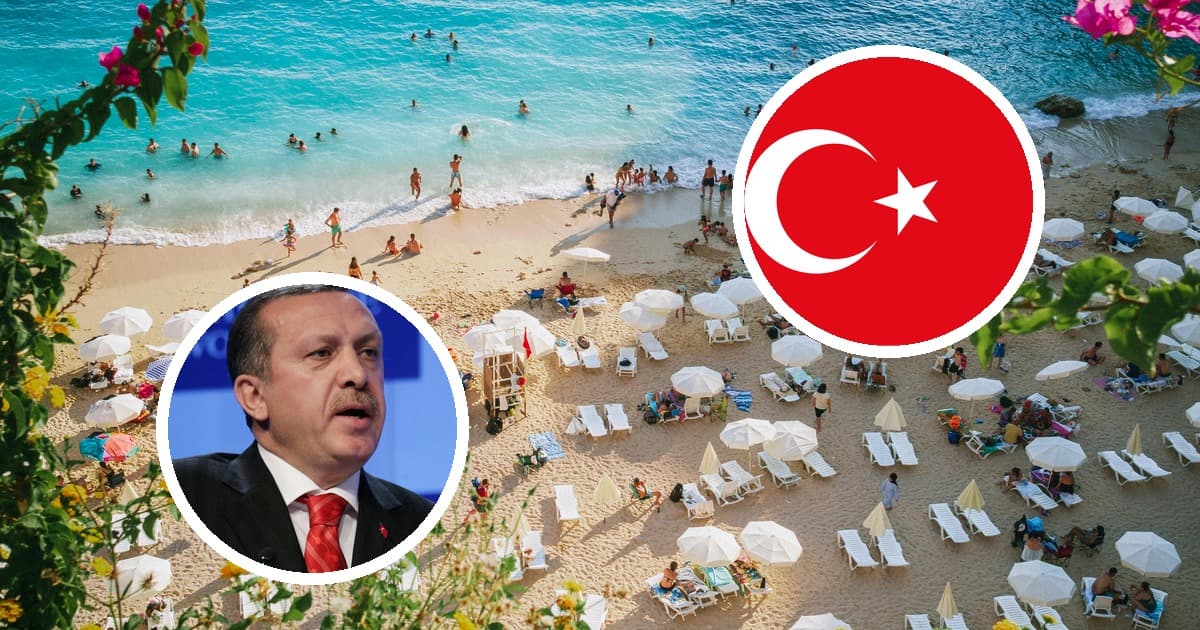

On April 24, 2026, President Recep Tayyip Erdogan announced a proposal to give new Turkish tax residents a 20-year exemption on all foreign-source income and capital gains. The announcement was made at the "Türkiye Century Strong Center for Investment Program" event held at the Dolmabahce Working Office in Istanbul. If passed by parliament, the measure would make Turkey one of the most competitive low-tax residency destinations in the world, more generous on paper than Italy, Greece, or Portugal.
For remote workers and nomads already eyeing Istanbul or the Aegean coast: this is a proposal, not a law. Nothing changes today. But if it passes, the implications are significant enough to watch closely.
What Erdogan actually proposed
Speaking at the Istanbul investment event, Erdogan called the package a "radical step" and said his government was "determined to make Turkey a global center of attraction."
The core proposal, as reported by IMI Daily and confirmed by Bloomberg Law, includes:
- 0% Turkish tax on foreign-source income and capital gains for 20 years for eligible new residents
- Eligibility requires that you have not been a Turkish tax resident for at least the prior 3 consecutive years
- Only income earned inside Turkey would remain subject to the standard progressive rate (15–40%)
- Inheritance and gift tax reduced to a flat 1% (currently 1–30% depending on the amount)
Weeks before the announcement, Finance Minister Mehmet Simsek had already signaled something big was coming, telling investors the government was preparing "radical" incentives to attract foreign capital.
The broader package also includes corporate tax cuts for exporters — 9% for manufacturing exporters and 14% for others — and expanded benefits tied to the Istanbul Financial Centre.
How Turkey compares to other low-tax residency programs
Turkey's proposal, if enacted as described, would sit at the top of the global tax residency rankings for remote-income earners:
- Italy: 15-year foreign income exemption, but requires a €300,000/year flat tax payment
- Greece: 15-year exemption with a €100,000/year flat fee
- Portugal (IFICI / post-NHR): 10-year exemption, sector-restricted
- Turkey (proposed): 20-year exemption, no entry fee, no flat-tax minimum
The comparison matters because Turkey also has a citizenship-by-investment (CBI) program starting at $400,000 in real estate, one that currently comes with no tax perks. Under the new proposal, CBI holders who are not already Turkish tax residents might also qualify, though that detail has not been confirmed in the legislative text.
What is confirmed (and what is not)
As of May 2026, here is where things stand:
- Confirmed: Erdogan made the proposal publicly on April 24, 2026. Finance Minister Simsek previewed it. Multiple credible outlets including IMI Daily, Bloomberg Law, EY Tax News, reported the announcement.
- Not yet confirmed: The proposal has not been submitted to parliament. No effective date has been given. No draft bill text is publicly available.
- Unclear: Whether CBI holders who hold Turkish passports but have never been tax residents would qualify; whether there is a minimum-stay or ties-to-Turkey requirement; whether existing double tax treaties (DTAs) would affect the exemption.
Important: This is a proposal, not a law. Do not make any relocation decisions based on this announcement alone. Monitor for parliamentary submission and consult a Turkish tax advisor before acting.
Why Turkey is doing this now
The timing is not coincidental. After years of unorthodox monetary policy that sent inflation above 80% by 2023, Erdogan brought in Finance Minister Simsek to stabilize the economy and restore investor confidence. The shift worked well enough that Turkey is now positioning itself as an alternative to Gulf hubs, particularly as Dubai faces scrutiny over reconstruction projects and capital flight concerns.
Turkey is a NATO member with a large, young population, a strategic location between Europe and Asia, and an emerging financial infrastructure in Istanbul. The tax holiday is designed to accelerate that pitch.
There is no organized opposition to the proposal in public record yet. No formal statement from trade unions, industry bodies, or opposition parties specifically targeting the foreign income exemption. Critics of Erdogan's broader economic policies do exist, but no specific pushback on this measure has been reported as of the time of writing.
What this means for expats, nomads and remote workers
If you earn income from clients or companies outside Turkey and you are not currently a Turkish tax resident, this proposal was written with people like you in mind.
Right now, you do not need to do anything. Turkey's standard tax rules still apply: residents are taxed on worldwide income at progressive rates up to 40%. Until parliament passes a bill, nothing has changed.
But here is what to watch for:
- Parliamentary submission: Once a draft bill is filed, the eligibility rules will become clearer — particularly around the 3-year non-residency requirement and what counts as foreign-source income.
- Your home country's rules: A Turkish tax exemption does not automatically mean zero taxes. Your country of citizenship or prior residency may still claim the right to tax you. Turkey has double tax treaties with over 80 countries, but you will need to verify how they interact with this new regime.
- Istanbul's cost of living: Cheaper than Western Europe, increasingly popular with nomads, and now potentially zero-tax on foreign income — that combination will attract competition for housing and coworking spots if the law passes.
For a broader understanding of how tax residency works across borders, our digital nomad tax guide covers the key concepts you will need to think through before making any decisions. And if you have been considering Turkey's digital nomad visa or thinking about basing yourself in Antalya, bookmark this one. A 20-year foreign income holiday on top of Turkey's existing infrastructure and cost of living would be a compelling package. But wait for the law before you book the moving truck.
Want more digital nomad news?
If you want more digital nomad and remote work news like these, sign up for our free newsletter and get upcoming news straight to your inbox!

Find places, workspaces, events and a community that gets you.
Get Freaking Nomads Pro
Written by
Irene Wang
Digital nomad and co-founder of Freaking Nomads. She shares raw, unfiltered stories and helps nomads find resources to thrive while traveling and working remotely.
Read Next


Nagasaki opens year two of Japan's first prefectural nomad residency

Indonesia to delist unlicensed stays on booking platforms from August 2026