Best European Cities for Digital Nomads
Discover the top 16 best places in Europe for digital nomads. Explore costs of living, internet speed, and vibrant nomad communities.

Post-pandemic, the idea of the "best nomad city" has changed. It's no longer about how exciting a place feels in week one or how cheap the accommodations and cost of living look.
What actually matters now is how a city feels after two or three months, when routines kick in, novelty fades, and real life starts.
At Freaking Nomads, we see cities differently.
As digital nomads, we like cities where you can work well, sleep well, build routines, and stay longer than planned. Cities with real communities, not just transient crowds. Places that support long stays, and where you can actually build a solid base between your nomad travels.
If that's what you are looking for too, that's our favorite ones.
1. Valencia, Spain
Valencia gets almost everything right for long-term living. It's neither chaotic or boring, and it doesn't rely on hype. It's just incredibly livable. You don't burn out here. You don't feel rushed. And many nomads who come "just for a season" end up staying much longer.
Internet in Valencia is fast and reliable across the city, with fiber connections commonly hitting 300–600 Mbps. You'll have no trouble working from home, cafés, or coworkings. Cafés like Bluebell Coffee, Federal Café, and Flying Bean Coffee are genuinely laptop-friendly, while coworking spaces such as Wayco, Vortex Playa, and Botánico Coworking offer solid setups for more focused days.
What really sets Valencia apart though is balance. You get a proper city, culture, food, public transport, without the constant noise and pressure of larger capitals. You can work during the day, walk or cycle through the Turia Garden in the evening, and still be at the beach in 15–20 minutes.
Rents are still relatively livable compared to bigger cities like Madrid or Barcelona, especially if you're staying for a few months. Add to that Spain's Digital Nomad Visa, and Valencia becomes an easy place to settle into without overthinking logistics.
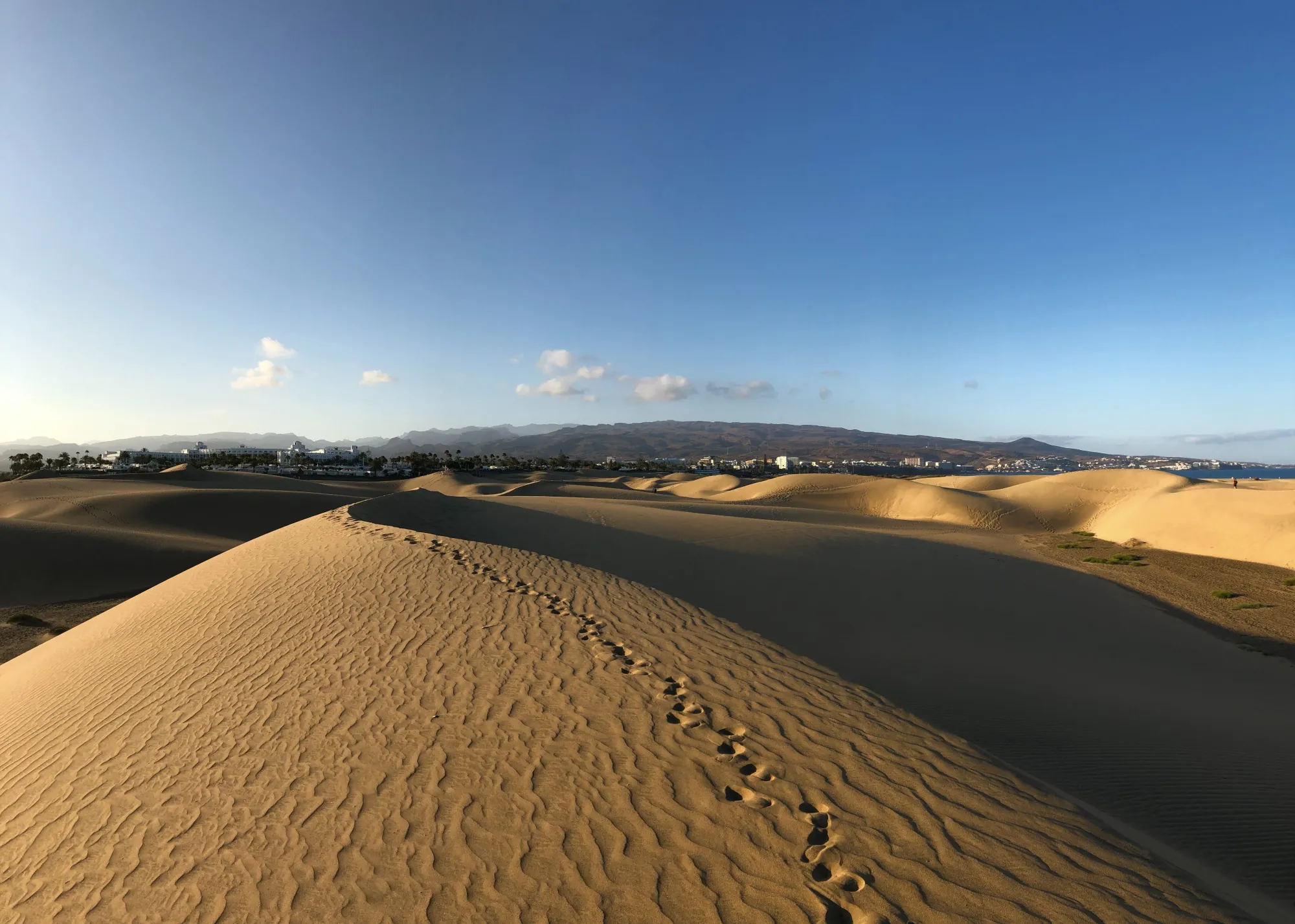
2. Las Palmas de Gran Canaria, Spain
Gran Canaria, one of Spain's Canary Islands, is truly hard to beat if you're looking for a place to escape European winter without sacrificing routine. For many nomads, it's become a yearly reset spot, and for good reason.
Internet is consistently reliable, with high-speed internet widely available on the island. Working remotely here feels easy and there are many places to work from, including Repeople and The House which are the most popular among nomads.
What really defines Las Palmas though is its nomad community. There's a large, established remote work population, especially between November and March, which makes meeting people surprisingly effortless, but without the forced networking vibe. It feels social, but not chaotic.
The lifestyle in Gran Canaria is simple in the best way. Morning walks along Las Canteras beach, focused work blocks during the day, surf or sunset swims in the evening. The weather stays stable, routines stick, and days feel predictable (in a comforting way).
Spain's Digital Nomad Visa also applies here, making longer stays pretty straightforward for non-Europeans nomads.
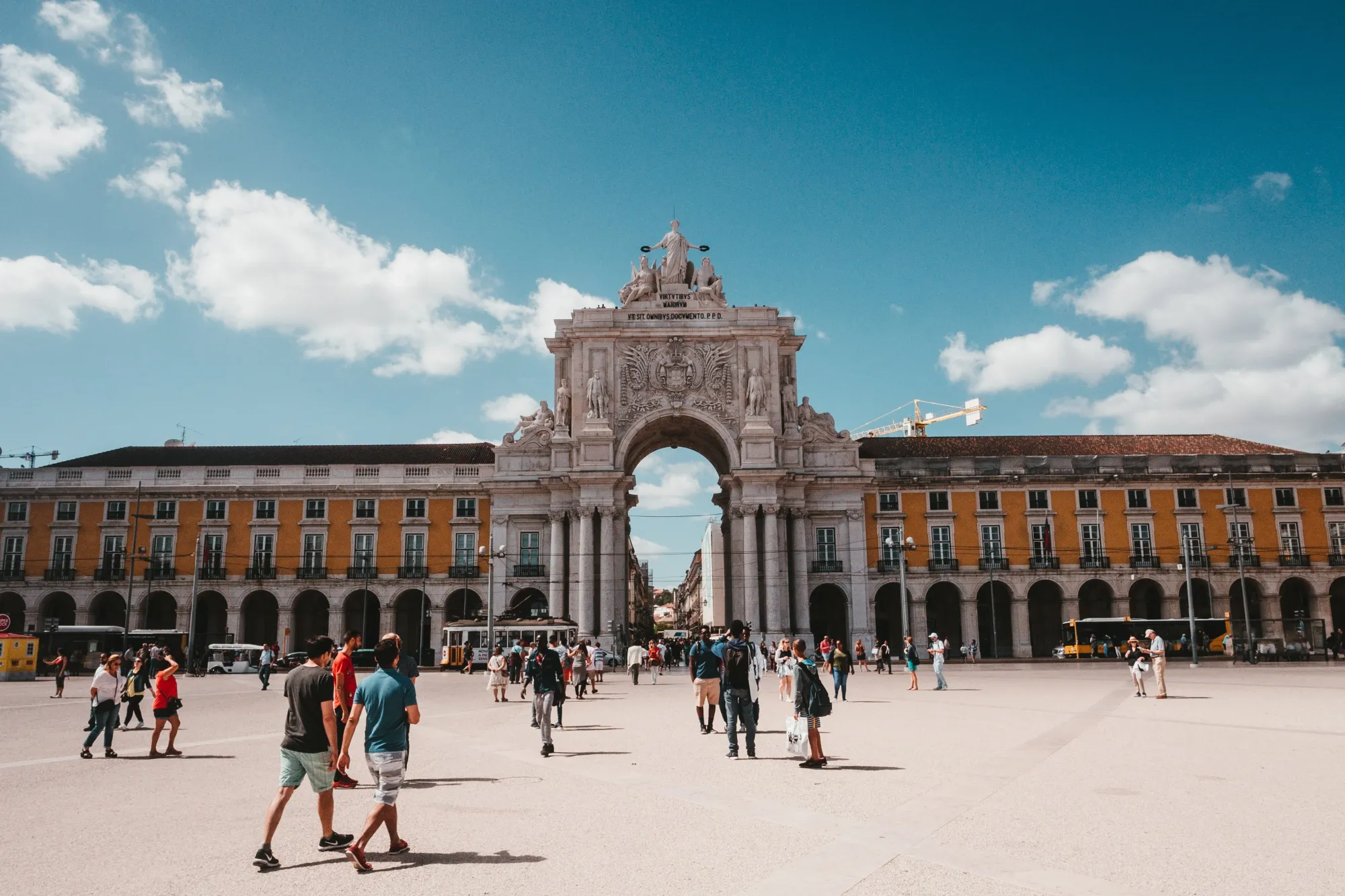
3. Lisbon (Outer Areas), Portugal
Lisbon is no longer the obvious, easy win it once was. But if you play it smart, it's still one of Europe's strongest bases for digital nomads.
The key is location. Central neighborhoods have become crowded, expensive, and exhausting. The real Lisbon nomad life now happens in Alcântara, Ajuda, Oeiras, and Almada, areas with space, calmer streets, and better value, while still staying well connected.
Internet quality remains excellent, often 500 Mbps and above, and Lisbon's ecosystem is hard to match. Coworkings like Second Home Lisboa and Heden attract founders, solo builders, and remote professionals who are serious about their work but still value community. If you want your base to come with that community built in, Outsite is a coliving space in Lisbon designed for exactly that kind of longer stay, with an Outsite Cowork Café on hand for days when you want a change of scenery.
This is a city where conversations turn into collaborations. It's not just social, it's productive. That said, Lisbon works best if you're intentional. Without structure, it can feel draining over time.
Portugal's Digital Nomad Visa will make long stays viable for you, and when you settle into the right neighborhood, Lisbon can still feel like a place to build something, not just pass through.
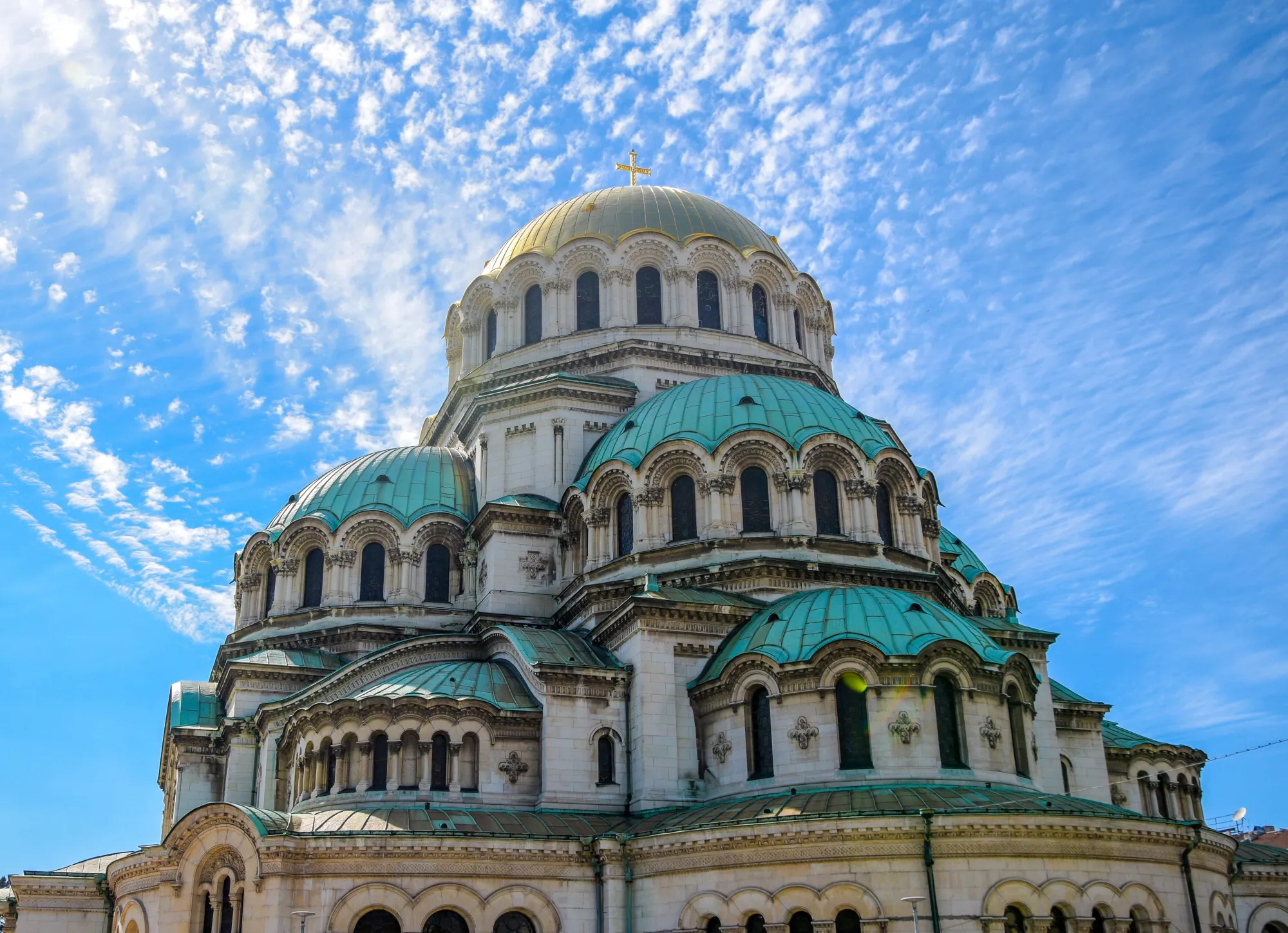
4. Sofia, Bulgaria
Sofia doesn't try to impress, and that's exactly why it works so well. It's affordable, functional, and surprisingly comfortable for long stays.
Daily life in Sofia feels straightforward. There's no constant noise, no tourist overload, and no pressure to consume.
Rent and food prices here are among the lowest in Europe and the internet infrastructure is fast and stable with many coworkings like betahaus Sofia and SOHO.
But one of Sofia's biggest strengths is access to nature. You can finish work and be hiking on Vitosha Mountain the same day, something that quietly improves your quality of life after a few weeks.
This is a city for nomads who want to focus, save money, and live calmly. It may not excite you on day one, but after a month, it starts to make a lot of sense. And that's why it's becoming one of the most attractive nomad bases for many.
5. Budapest, Hungary
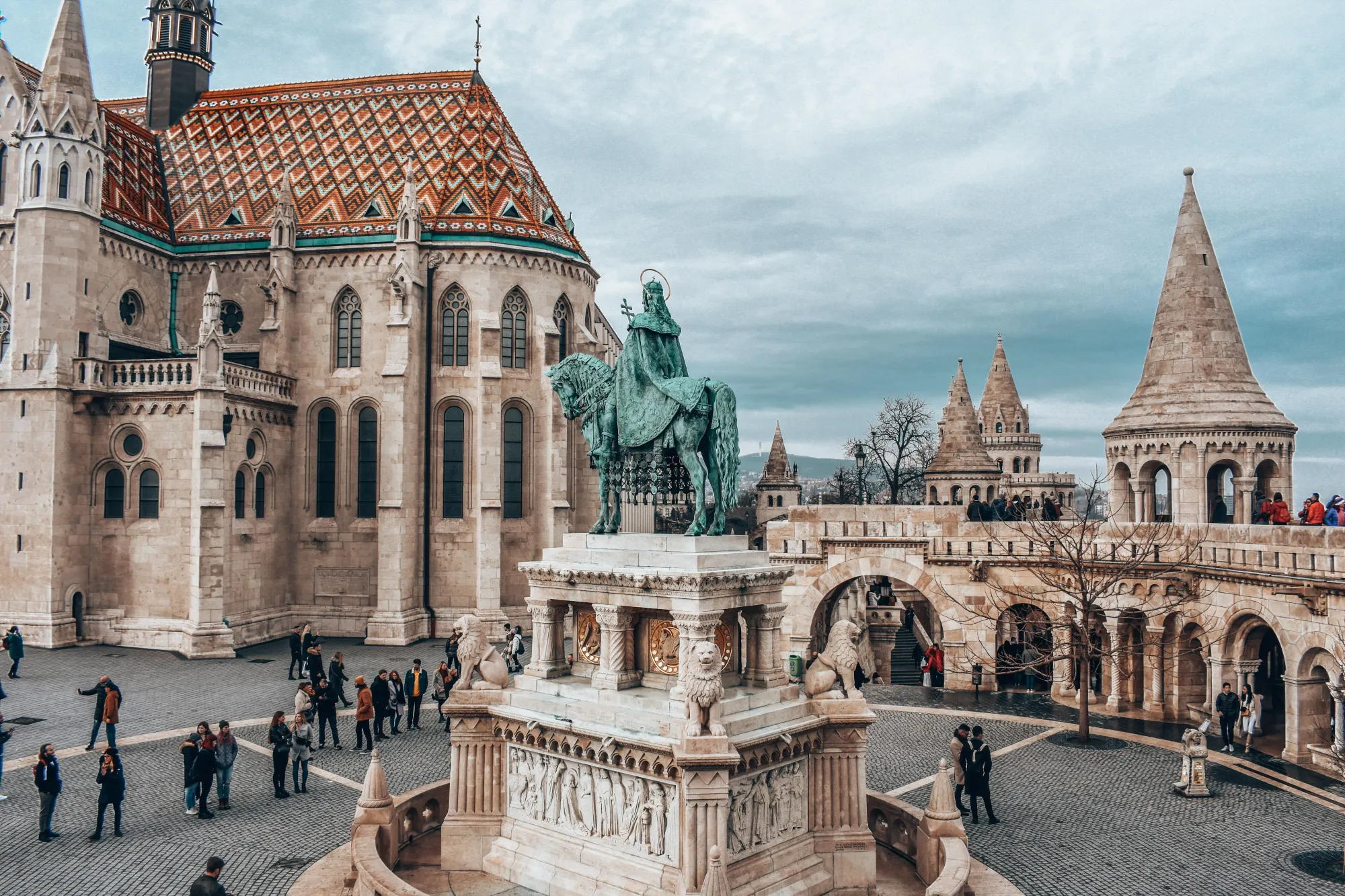
Budapest hits a rare sweet spot, it's relatively affordable, social, and incredibly easy to live in.
Internet speeds are some of the best in Europe, often reaching 1 Gbps, which makes working remotely here feel frictionless. Cafés are genuinely laptop-friendly, not just tolerant, and coworking spaces like Kaptár and Impact Hub Budapest offer solid setups without inflated prices.
What makes Budapest work long term is its balance. There's always something happening, but you don't feel pressured to participate in everything. After a few weeks, it becomes easy to settle into a rhythm, morning work sessions, afternoon walks along the Danube, casual dinners without planning days ahead.
Cost of living is still very reasonable for a European capital, which makes staying longer feel natural rather than stressful. It's the kind of city where you can be productive and still enjoy a social life without burning out. That's why it has become a favorite among online entrepreneurs and business owners.
6. Funchal (Madeira), Portugal
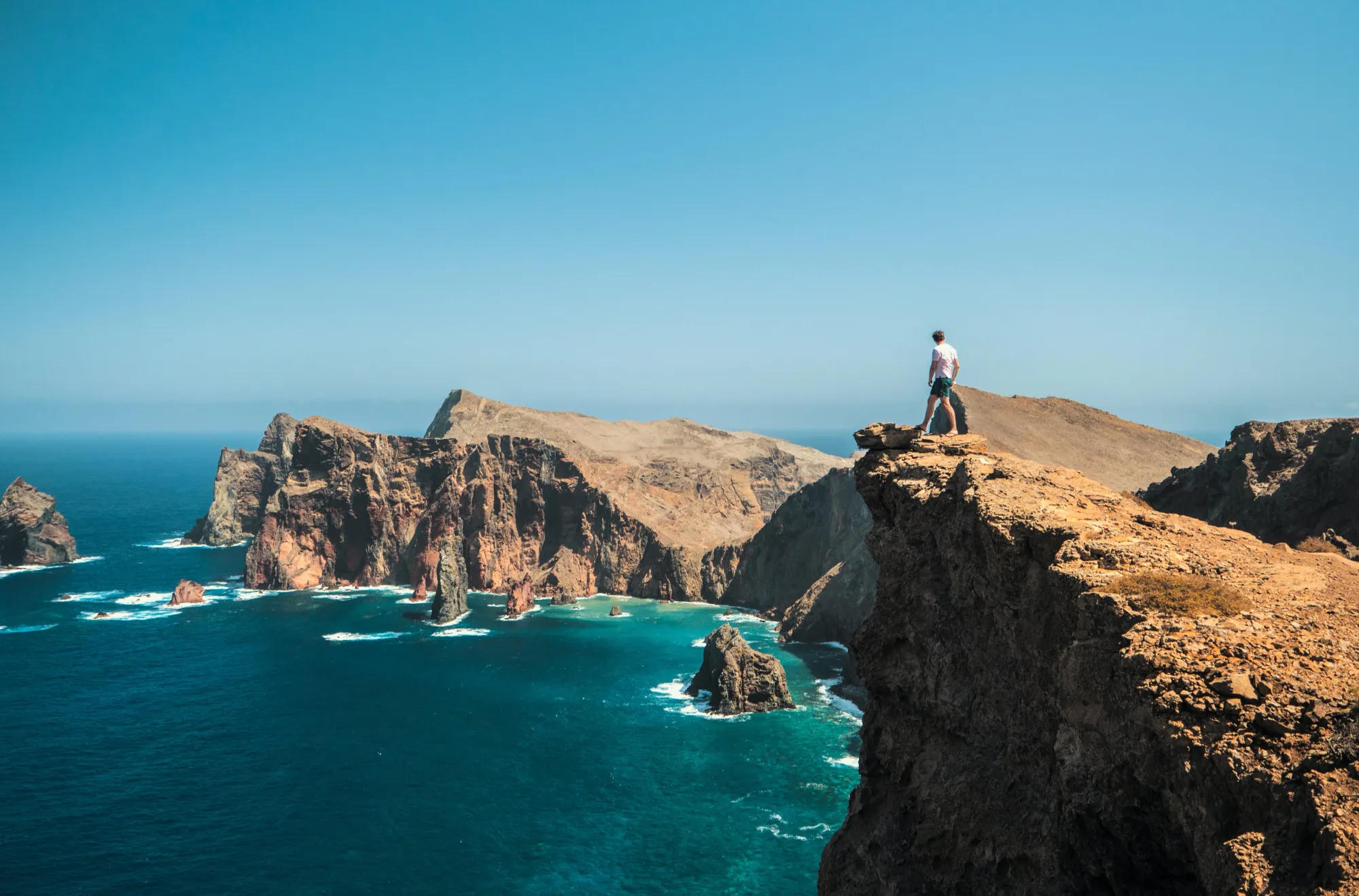
Madeira is one of the few places in our list that was built intentionally with remote workers in mind.
Internet quality is excellent and consistently reliable, supported by the official Madeira Digital Nomads initiative, which actively tested and improved infrastructure. Coworking spaces like Cowork Funchal are structured around routines rather than constant events, and Outsite Madeira offers a coliving option with the same philosophy: focused work, community, and slow travel built into the experience.
Life here is calm. Days feel predictable in a good way. You work, you walk, you reset. Nature is always close (it's truly a hiking paradise), and the slower pace helps avoid the constant stimulation that can wear you down in bigger cities.
Portugal's Digital Nomad Visa applies here too, making longer stays pretty straightforward if you choose this island as your base.
7. Porto, Portugal
Porto feels like Lisbon, but sometimes better. It has much of the same charm, beautiful architecture, great food, walkable neighborhoods, but with less noise and pressure.
Internet quality in Porto is solid. Cafés like SO Coffee Roasters and Combi Coffee Roasters are easy places to work from, and the nomad scene is smaller than Lisbon but more stable.
This is a city that's easier to settle into. You're less likely to bounce between events and more likely to find a routine that sticks. For couples or solo nomads looking for a slower pace, Porto often works better than Lisbon.
It's not as flashy, and that's exactly the point. Porto rewards consistency and patience, making it a strong option for longer stays rather than short bursts of excitement.
8. Athens, Greece
Athens it's a city that feels alive, sometimes chaotic, sometimes frustrating, but increasingly workable for digital nomads who want more than just a clean, efficient base.
Internet is generally solid in most central neighborhoods, and coworking spaces like Stone Soup, Romantso, The Cube Athens and Found.ation have helped structure the local remote work scene here.
Athens is also surprisingly affordable for a European capital, especially outside the most tourist-heavy areas. Day-to-day life feels local, not curated for nomads, which makes it easier to settle in rather than feel like you're passing through.
One of its biggest advantages is flexibility. You get Mediterranean routines without island prices, and when you need a change, ferries and short flights make island escapes easy, without committing to full island life.

9. Tbilisi, Georgia
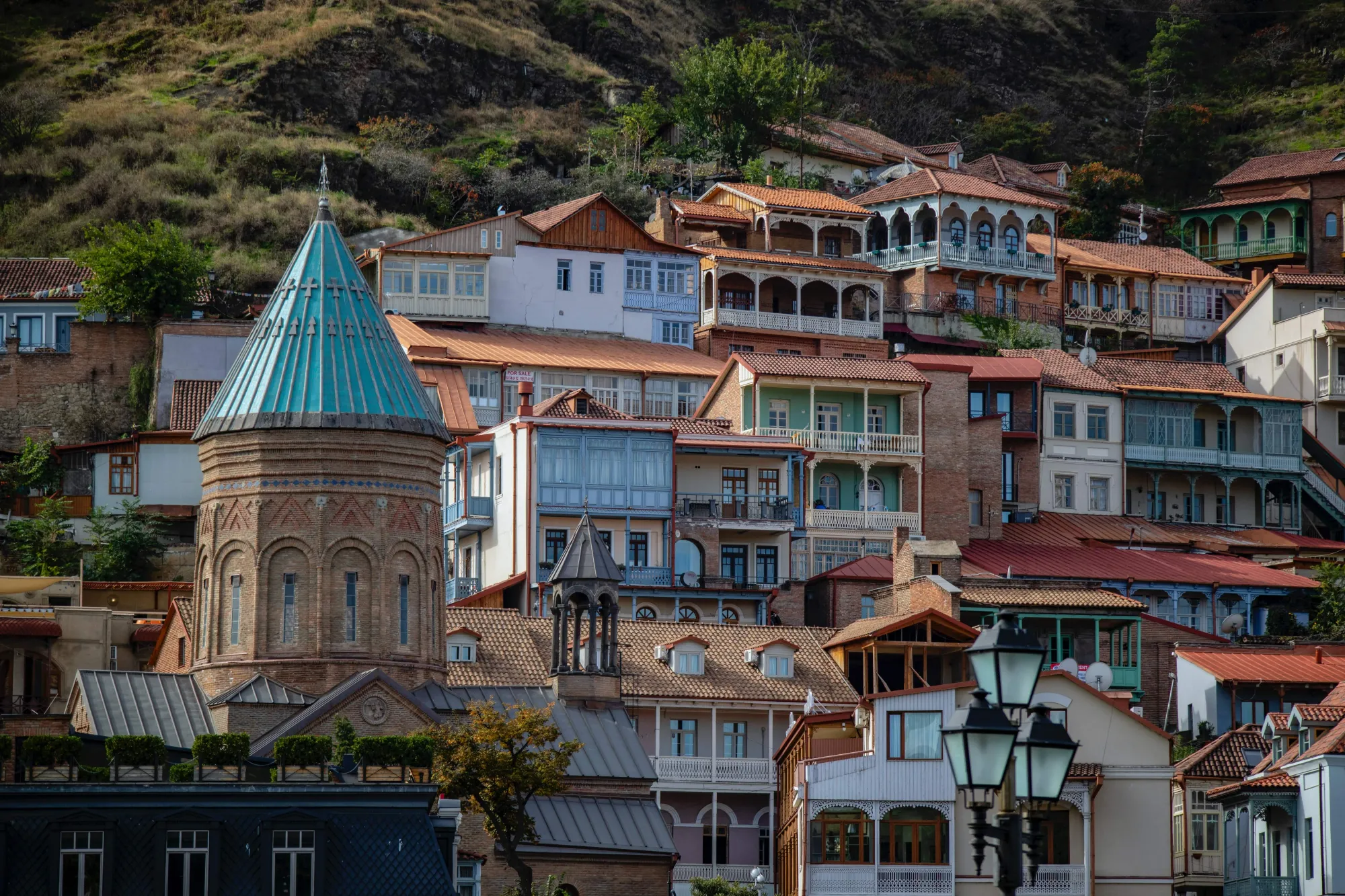
Next in our list, we got Tbilisi, which has quietly become one of Europe's most interesting places for digital nomads, especially if you're looking for a base.
The most notable aspect here is visa freedom. Many nationalities can stay up to one year visa-free, which immediately removes a huge layer of stress. Combine that with a relatively low cost of living (for European standards), affordable rent, and a café culture built around working slowly, and you get a very attractive nomad-friendly city.
Places like Impact Hub Tbilisi , Lokal Tbilisi, and Fabrika make it easy to work outside your apartment. But remember: Tbilisi works best if you're not in a rush. It's ideal for slowing down, rebuilding routines, and focusing on work without constant distraction. So, if that's what you are looking for, you might love Tbilisi.
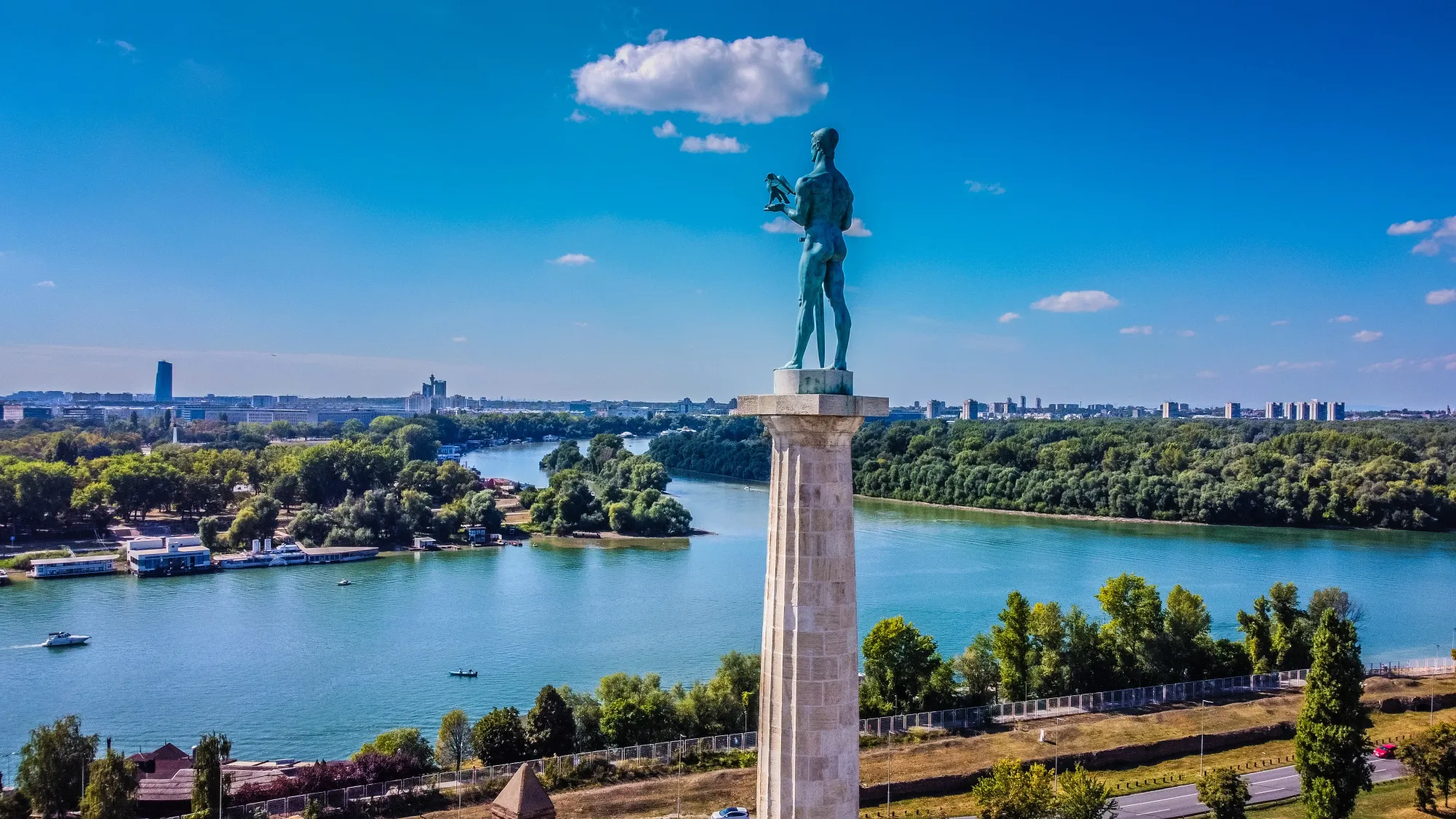
10. Belgrade, Serbia
Belgrade doesn't feel designed for nomads, and that's exactly why many people love it.
This is a social city. Conversations start easily, nights run long, and life spills out onto the streets. But it doesn't feel performative or curated. Belgrade feels local first, nomad-friendly second.
Internet in Belgrade is surprisingly fast, cafés are everywhere, and working from them is normal, not frowned upon. We challenge you to leave this city without finding a great café where to get some work done or simply chill with a cup of coffee.
And if you prefer working from coworking spaces, you can easily go to Impact Hub Belgrade, Startit Centar Inđija, and Nova Iskra Workspace.
The cost of living here is still relatively low, which obviously makes staying longer more realistic, especially for freelancers.
If you're looking for polished infrastructure or quiet minimalism, this might not be your place. But if you want energy, connection, and a city that still feels real, Belgrade it's your place.
11. Tallinn, Estonia
What Tallinn offers is something many nomads end up craving: reliability.
Internet is excellent everywhere, public services work, and day-to-day life feels frictionless.
Tallinn works best in spring and summer, when the city opens up and daylight stretches long into the evening. In winter, it's quiet (sometimes too quiet).
The work culture here is calm and efficient. There's a strong tech and indie-maker community, but it's not loud or performative. Conversations tend to be thoughtful, and social life exists without demanding your attention every night.
Estonia's e-Residency program is still one of the most practical setups in Europe for remote founders, which adds another layer of appeal if you're building something long term.
12. Split, Croatia
Split is one of those places that can be amazing or exhausting, depending entirely on when you arrive.
Outside peak summer, it's a genuinely pleasant place to work remotely. Internet in modern apartments is reliable, coworking spaces like Wespa Spaces are improving, and daily life revolves around the sea, long walks, and simple routines.
During summer, though, the city gets intense. Crowds surge, prices climb, and working from cafés becomes more difficult. This isn't a place where you can ignore seasonality.
Croatia's Digital Nomad Visa makes longer stays possible, but Split works best as a lifestyle-focused stop rather than a year-round base. Come at the right time, and it's easy to fall into a good rhythm.
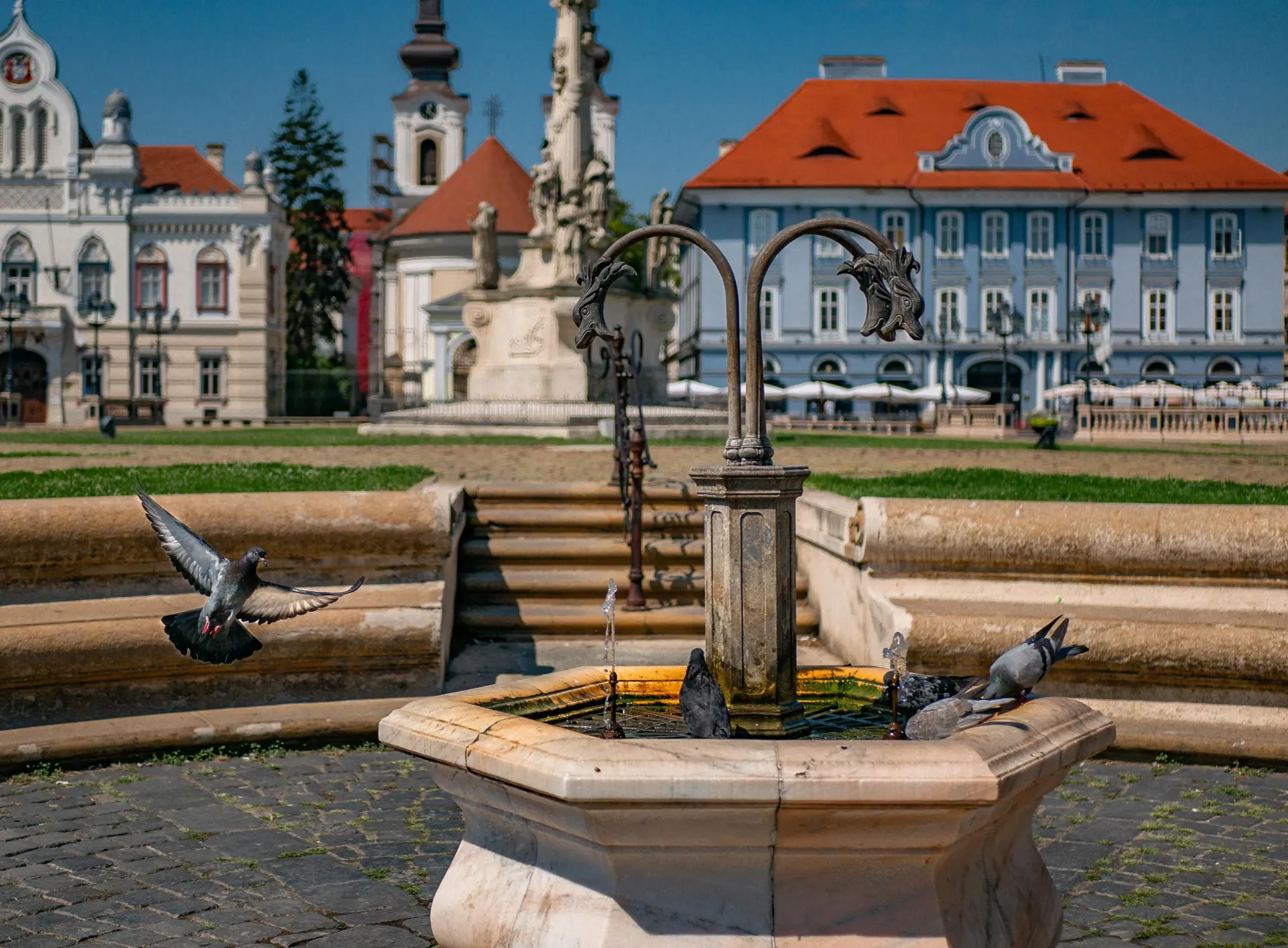
13. Timișoara, Romania
Timișoara is the kind of city most nomads overlook, and that's exactly why it works. It was named the Best city for businesses in Romania in 2016 and was the 'European Capital of Culture' in 2021.
As per many other places in Romania, it's known for excellent internet and connections here are fast and stable. Cost of living is also low, and daily life feels refreshingly uncomplicated.
There aren't many distractions in Timisoara, which makes it ideal for deep work. Coworking options are limited but functional (most famous are Cowork Timisoara and DevPlant Cowork), and cafés are calm rather than crowded.
This isn't a city you come to "experience Europe". It's a city you come to get things done, rebuild routines, and stay under the radar.
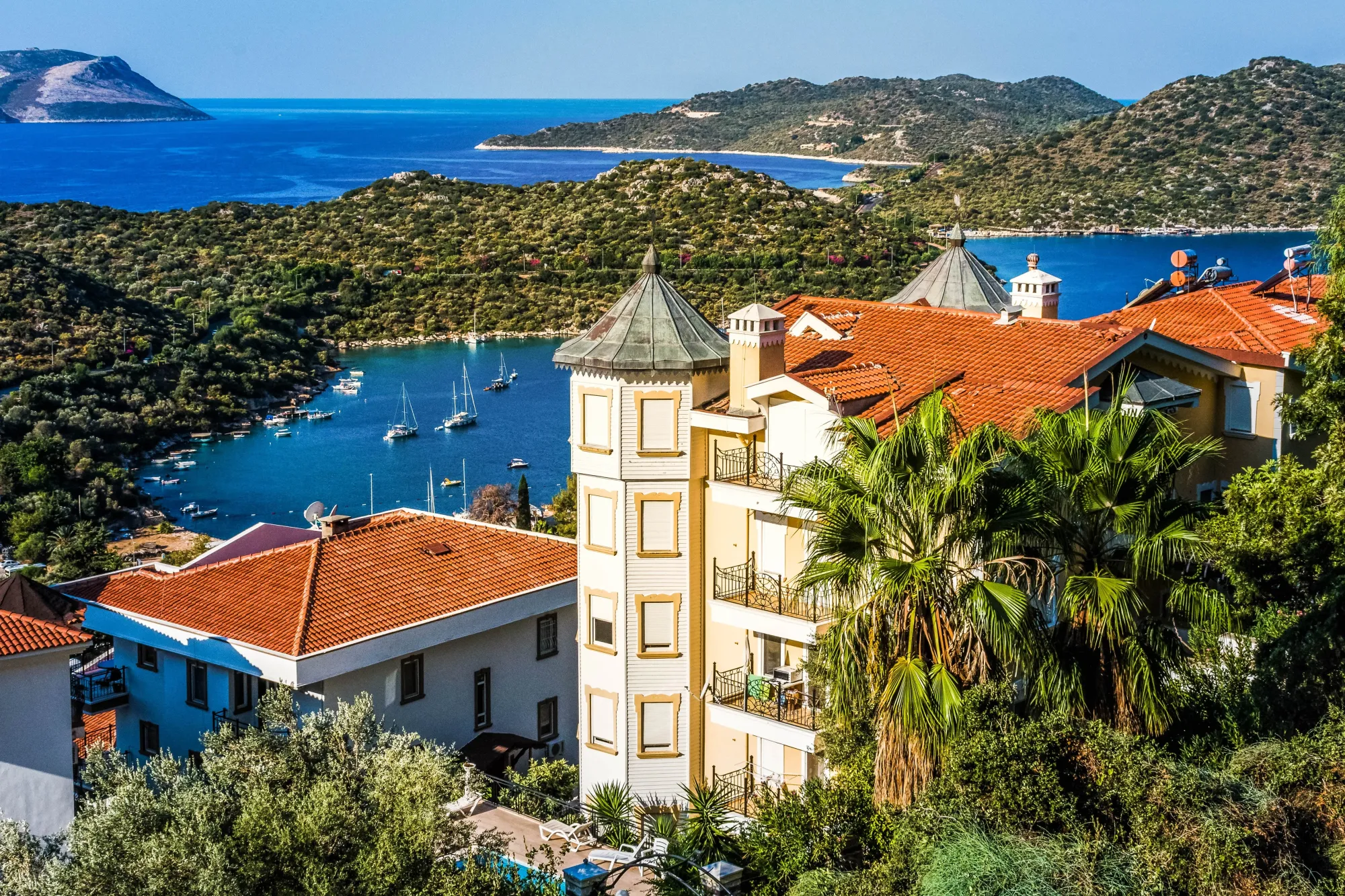
14. Antalya, Turkey
Antalya has quietly become another popular go-to winter base for nomads who want warmth, space, and simplicity.
Rent and food costs are low, especially compared to Southern Europe, and modern apartment complexes usually come with reliable internet, gyms, and shared spaces that make daily life easy. You don't need to over-optimize here, things just work well enough.
The expat and nomad scene is growing, but it still feels low-key. Life here revolves around morning walks, focused work blocks in places like Work c and Office55 , affordable meals, repeat. It's not the most exciting city on this list, but that's kind of the point.
Being outside Schengen adds a layer of flexibility that many long-term nomads appreciate, especially during winter months.
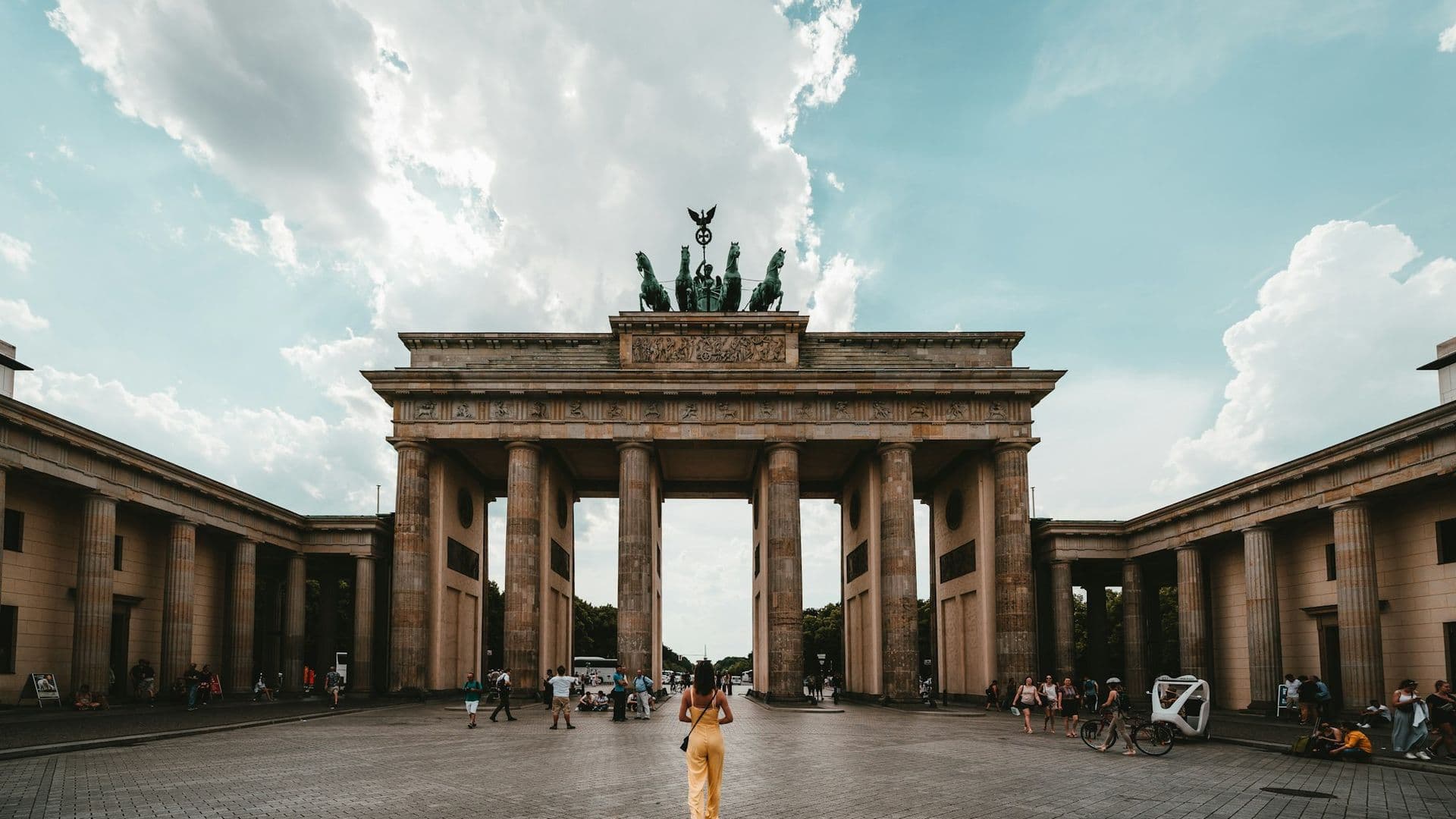
15. Berlin, Germany
Although not a 100% nomad-friendly city, Berlin remains one of Europe's strongest cities for freelancers, creatives, and long-term builders, but it asks more from you than it used to.
Infrastructure is excellent, public transport is unmatched, and coworking spaces are everywhere. If you're building something long term, Berlin offers depth, clients, collaborators, and a massive creative ecosystem.
That said, it's not light. Bureaucracy is real, housing can be draining, and winter can wear you down if you're not prepared. Berlin works best if you're ready to commit and slow down, not if you're chasing novelty.
For nomads who want to stop bouncing and actually stay put for a year or more, Berlin still makes a lot of sense.
What Is That Makes Europe Good for Digital Nomads?
No need to say that Europe has firmly established itself as one of the prime destinations for digital nomads.
The continent does not only offer a rich tapestry of cultures, vibrant cities, and a harmonious blend of historical and modern aesthetics, but also a hub that provides a myriad of opportunities and conveniences for remote workers.
Many European cities are well-known for their excellent Wi-Fi connectivity and relatively few internal borders, which is particularly beneficial for citizens of the European Union who wish to work while exploring different countries within it.
And although the cost of living is nowhere close to those of the South-East Asian hotspots or South American cities, it can be still quite affordable in certain European destinations, allowing digital nomads to live on a reasonable budget of less than $2,000 a month in some cases.
Additionally, the continent has seen a rise in nomad-friendly visa programs, ensuring that you can immerse yourself in a place for an extended period by truly experiencing the lifestyle and culture Europe has to offer.
Are You Ready to Explore Europe as a Digital Nomad?
Find places, workspaces, events and a community that gets you.
Get Freaking Nomads Pro
Written by
Irene Wang
Digital nomad and co-founder of Freaking Nomads. She shares raw, unfiltered stories and helps nomads find resources to thrive while traveling and working remotely.

Freaking Nomads is supported by you. Clicking through our links may earn us a small affiliate commission, and that's what allows us to keep producing free, helpful content. Learn more
Read Next

Virgin Connect Roam eSIM: Honest Take for International Travelers
Best Laptop-Friendly Cafés in Gran Canaria to Work From