Honest Guide for Digital Nomads in Costa Rica
First-hand Costa Rica digital nomad guide covering costs, Wi-Fi, visas, safety, and what it’s really like living and working there.
Costa Rica is everywhere in digital nomad rankings. And honestly, that made me skeptical.
When a place gets that popular, it often turns into a digital nomad trap. Higher prices, crowded hotspots, and a lifestyle that looks better on Instagram than it feels in real life.
Still, I decided to go and see for myself. And once I did, the picture turned out to be more nuanced.
What It's Like to Be a Digital Nomad in Costa Rica?
Costa Rica looks like a dream on paper. In real life, it’ll still test your patience.
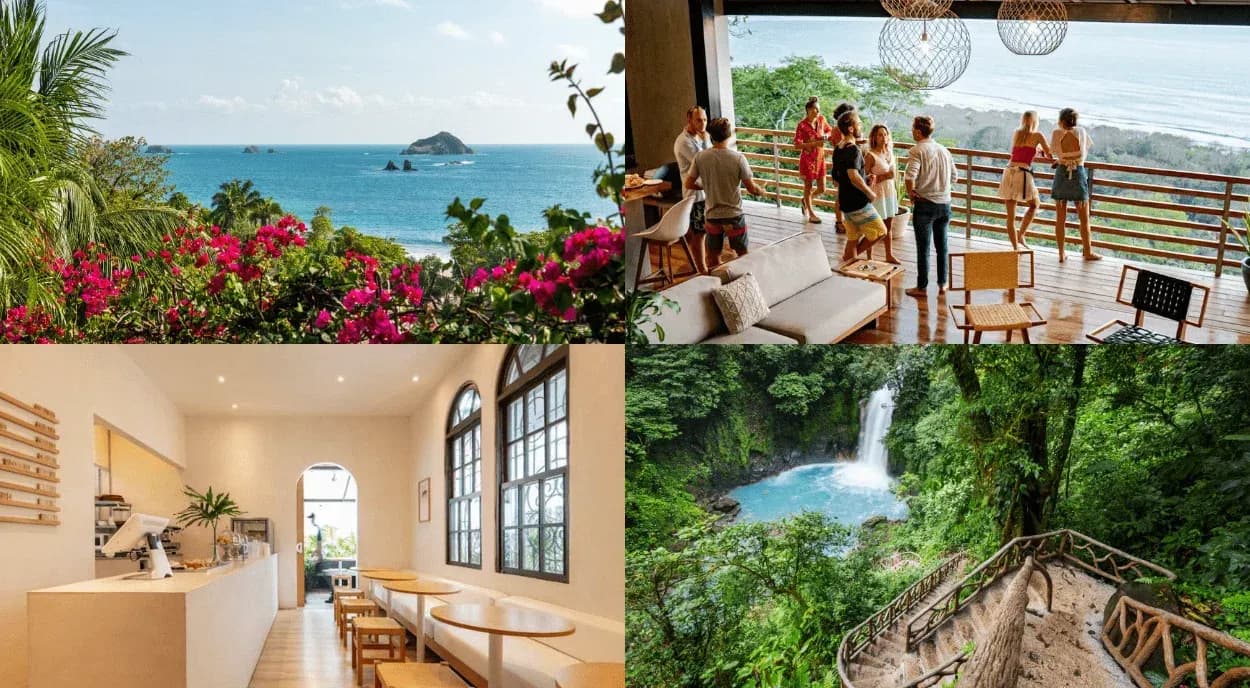
Places like Santa Teresa and Nosara are basically digital nomad magnets. You’ll find coworking spaces, cafés where half the room is working, and a community that makes it easy to meet people without trying too hard. Life slows down, and surfboards next to laptops aren’t a cliché here at all.
But Costa Rica can be very expensive, especially in tourist-heavy areas. Getting around takes forever, even for short distances, and outside the main hubs, the internet can be a challenge. And if you’re expecting city energy, you’re in the wrong country. It’s much closer to Tulum or Koh Lanta, where “nothing happening” is kind of the point.
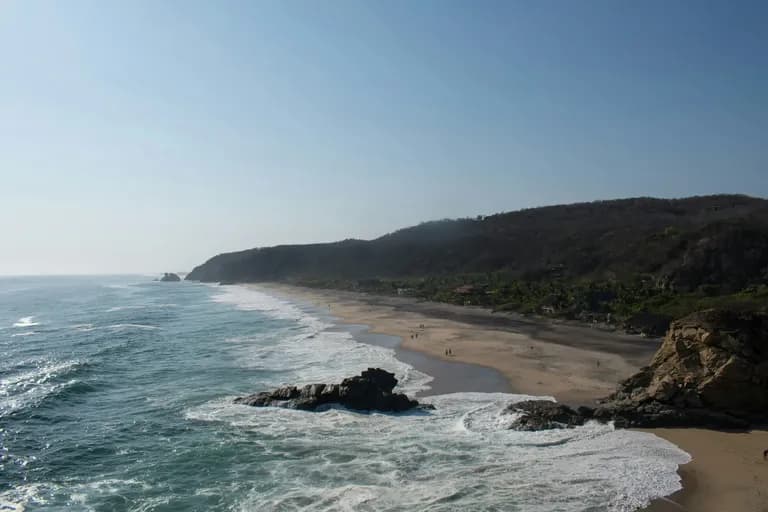
What keeps people here is the nature. Wild beaches, thick jungle, random waterfalls, and incredible sunsets. A lot of nomads come for a few weeks and accidentally stay for months. The digital nomad visa just made that even easier.
Best Places for Digital Nomads in Costa Rica
Santa Teresa
The whole place is basically one long road running parallel to the beach. The most practical area is around Playa Carmen, between Santa Teresa and Mal País. You’ll be close to supermarkets, ATMs, restaurants and several cowork/café options. Santa Teresa Norte is also popular, especially with surfers and hostels, but the farther north you go, the more you’ll need a vehicle.
Nosara (Guiones)
The nomad heart is Playa Guiones. Everything happens there. Choose somewhere close to the main street or North Guiones, where the surf break and many colivings are located. Being able to walk or bike everywhere is the real luxury here.
San José
The capital has many neighborhoods, but for nomads, Barrio Escalante and Barrio Amón/Otoya are the sweet spot. Escalante is the trendy food district with cafés and craft beer bars, great walkability and plenty of Airbnbs. Amón and Otoya are charming historic neighborhoods a short walk from downtown and coworking spaces.
How Much Does Costa Rica Cost for Digital Nomads?
Central America has a reputation for being cheap. Costa Rica does not play by those rules.
As a digital nomad, you’re realistically looking at $1,200 to $2,500 USD per month, depending on where you live and how close you want to be to the beach.
Housing is the biggest expense. In San José, you can still find small studios around $500–$600. But once you head to popular nomad spots like Santa Teresa or Nosara, prices jump fast. Expect $800–$1,500 if you want something decent, and yes, being “near the beach” is what really pushes it up.
Food is where you can balance things out. Eating local is affordable: $7–$10 at roadside sodas will keep you full and happy. Groceries are reasonable if you stick to local products. Tourist-facing restaurants, though, easily hit $15–$20 per dish without trying very hard.
Transport is a compromise. Buses are cheap but slow. Shuttles are faster but expensive. And if you’re heading anywhere even slightly off the beaten path, you’ll probably end up renting a 4x4 at least once, whether you planned to or not.
Internet and Connectivity in Costa Rica
Costa Rica has pretty solid connectivity in the places you’ll actually want to be.
In San José, Tamarindo, Santa Teresa or Nosara, it’s normal to find 20–50 Mbps in cafés and guesthouses. It’s reliable in urban areas and most nomad hubs.
In rural zones, you might experience short outages, especially in rainy season, but nothing dramatic.
And there’s always a plan B: your phone hotspot with an eSIM. A lifesaver.
Visa Options in Costa Rica for Digital Nomads
Let’s talk paperwork, because that’s also part of the nomad life.
Costa Rica gives you two main ways in:
- Tourist entry, which allows 90 days.
- Digital Nomad Visa, launched in 2021, which gives you a 1-year stay and can be renewed for another year.
If you want to stay longer-term, the Digital Nomad visa is the way to go.
Practical Tips for Digital Nomads in Costa Rica
1. Plan around the seasons
December to April is dry season and high season. Sunny, beautiful, and expensive. May to November brings daily showers and fewer tourists, but great discounts.
2. Always have an eSIM ready
Even with good connectivity overall, your hotspot will save you more than once.
3. Money
Costa Rican colones are the official currency, but in tourist areas USD is accepted almost everywhere. Just ask first. Some places add 13% sales tax if you pay with a foreign card.
4. Smart transport
For long routes between cities, private shuttles like Interbus or Gray Line are expensive but extremely convenient. For San José, Uber works well.
5. Health and safety
Costa Rica has solid healthcare and tons of pharmacies. Bring travel insurance and keep your vaccines up to date (including yellow fever if coming from South America).
Ready to Make Costa Rica Your Next Nomad Destination?

Find places, workspaces, events and a community that gets you.
Get Freaking Nomads Pro
Written by
Angelina Bertoni
After trying the conventional life, I packed everything into a backpack and started walking the world. I feel the energy of the spaces I explore — and that’s what I write about.

Freaking Nomads is supported by you. Clicking through our links may earn us a small affiliate commission, and that's what allows us to keep producing free, helpful content. Learn more
Read Next

An Honest Digital Nomad Guide to Living in Tulum
Oaxaca for Digital Nomads: The Ultimate Guide