Fukuoka for Digital Nomads: The Ultimate Guide
A local Japanese digital nomad shares why Fukuoka is one of the best cities in Japan to live and work remotely, beyond Tokyo and Kyoto.

When people imagine Japan, they usually think of Tokyo, Osaka, or Kyoto. Fukuoka rarely comes to mind, despite being Japan’s sixth-largest city and the gateway to Kyushu. Yet quietly and quickly, Fukuoka is becoming one of the most talked-about destinations for digital nomads, and for very good reason.
I grew up in nearby Nagasaki, so Fukuoka was always part of my world. But it was only after spending twenty years in Tokyo and eventually relocating here that I began to see the city through the eyes of a digital nomad. From that perspective, Fukuoka revealed a completely different kind of magic.
This guide is my way of showing you what Fukuoka really is, why it’s finally turning heads, and how to make the most of it as a digital nomad.
Why Fukuoka? My Experience as a Japanese Digital Nomad
While traveling the world as a digital nomad, I often heard the same sentence over and over: “I would love to go to Japan, but Tokyo is just too expensive.” And honestly… It makes sense. Japan’s most famous destinations, like Tokyo, Osaka and Kyoto, have become crowded and overpriced.
But growing up in Nagasaki, I always felt that the lesser-known parts of the country offered a quieter, more authentic, and more livable side of Japan that most people never get to see.
Since the pandemic, local governments have been actively encouraging people to work remotely from regional areas. As part of this initiative, I reached out to several cities, including Fukuoka, to see if they were interested in welcoming digital nomads. Fukuoka was the first to say, “Let’s do it here.” So in August 2022, I moved.
Three years later, I can say with full confidence that Fukuoka is one of the most promising nomad cities in the world. It is compact, easy to navigate, and has everything you need without the chaos of larger cities. And on weekends, nature, beaches, and hot springs are right at your doorstep.
What truly sets Fukuoka apart, though, is its community.
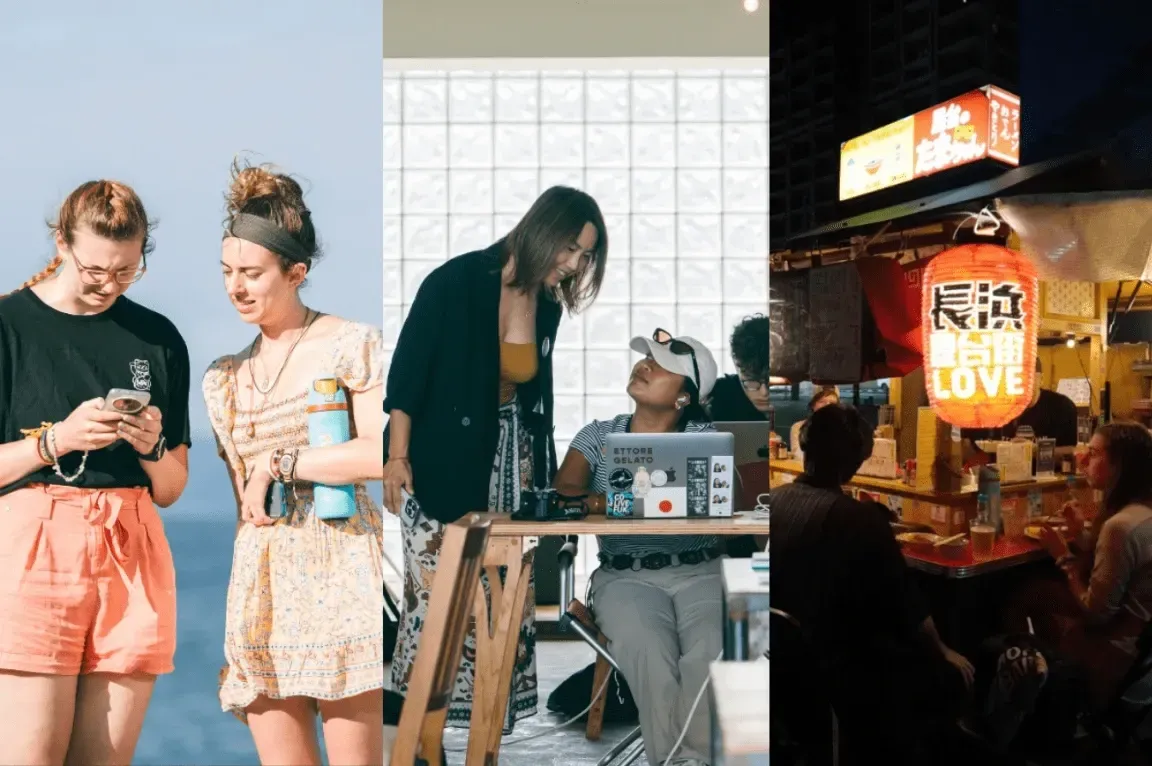
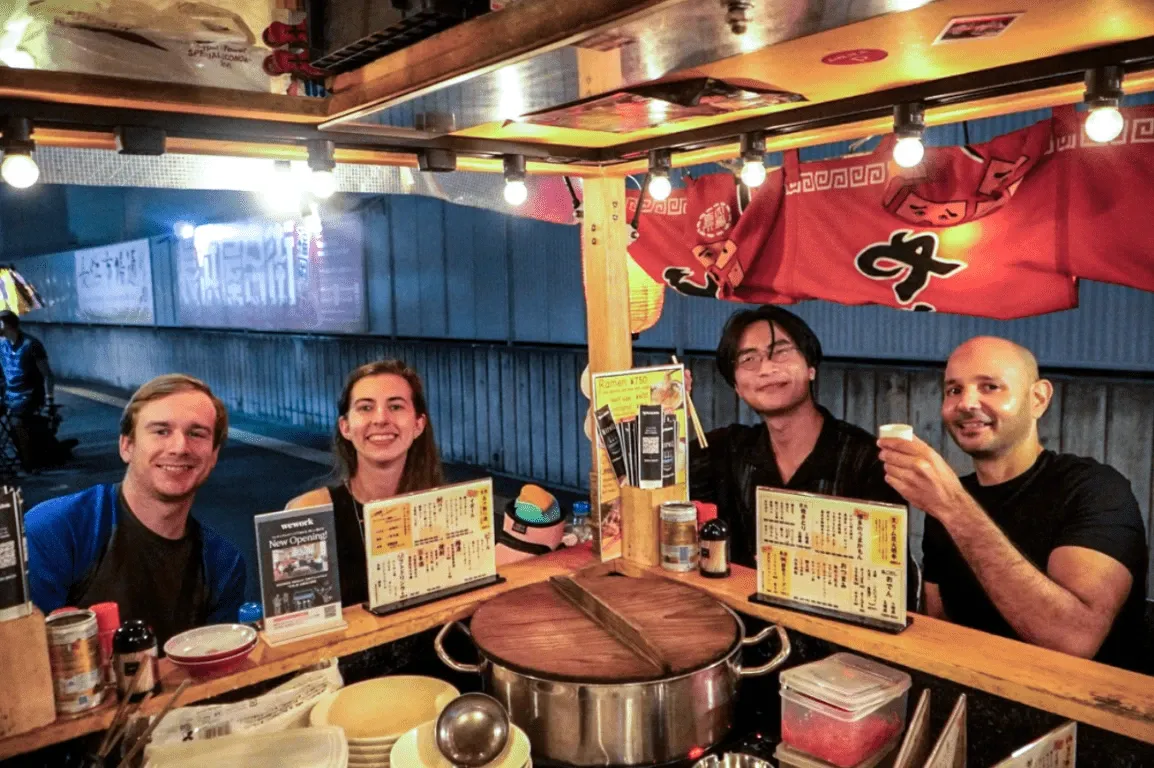
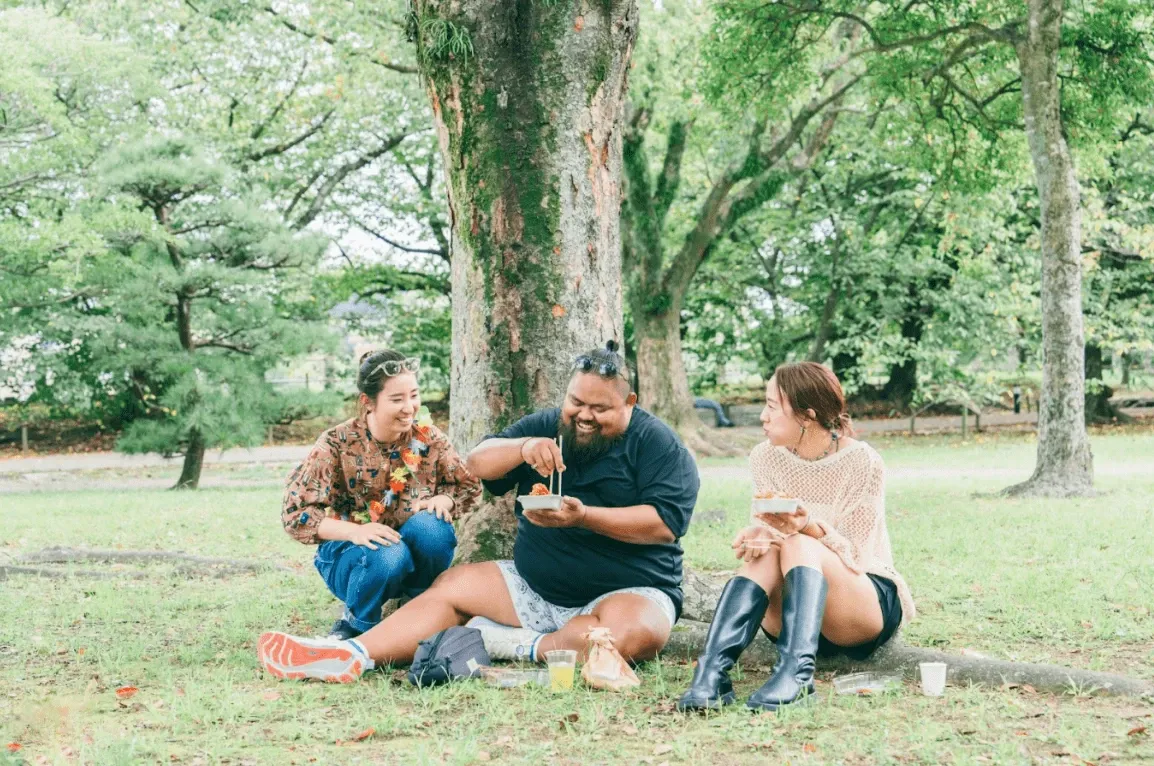
The warmth here surprised even me. Language can be a big barrier in Japan, but Fukuoka’s long history of openness makes it easier to connect. Unlike many nomad hubs where locals and nomads live separate lives, Fukuoka blends the two. I often hear stories of locals chatting with nomads at a yatai stall, inviting them to a second spot, and even insisting on paying.
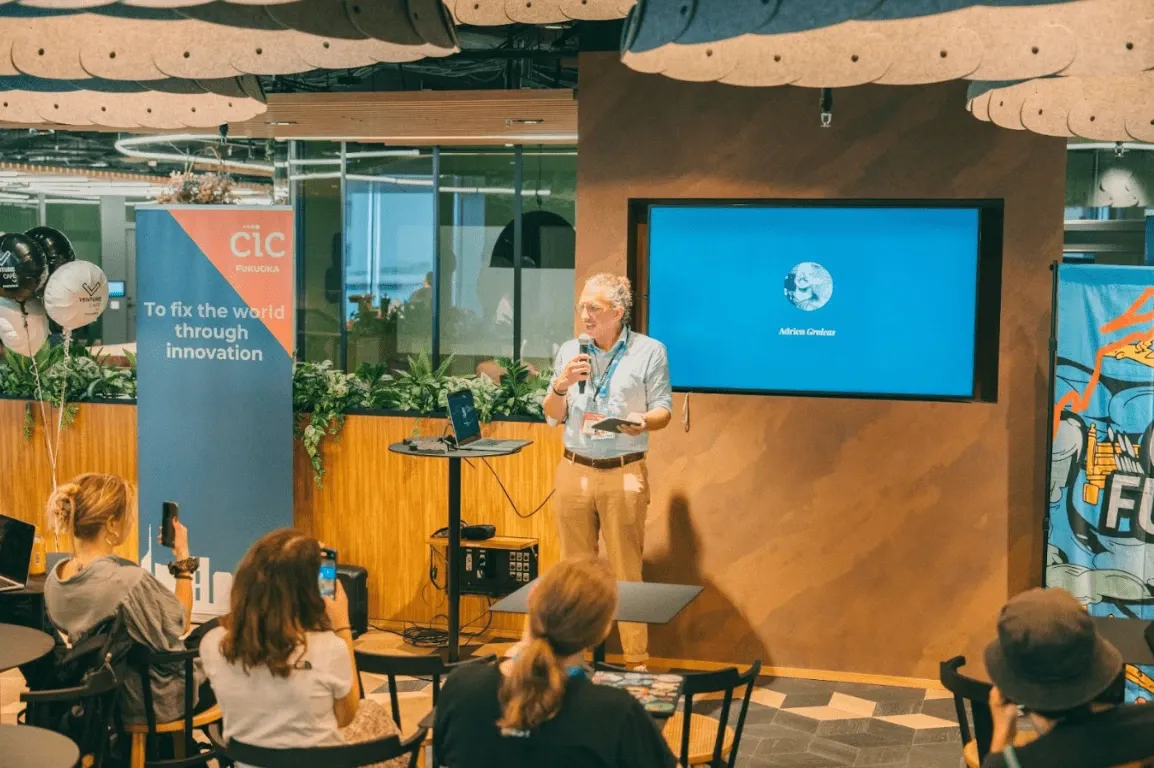
That spirit is what inspired me to co-found Colive Fukuoka. Not a typical conference, but a shared experience where we live, work, and explore the city together. It gives people a real sense of what a future home could feel like.
The Pros and Cons of Living in Fukuoka
Colive Fukuoka is still young, and the city has not quite reached the level of long-established nomad hubs like Chiang Mai or Bali. But there is a strong sense of momentum here. You can feel that Fukuoka is in the middle of becoming something bigger.
Here is my honest take on what it is really like to live and work here.
Pros
- More affordable than Tokyo or Kyoto: You get a high quality of life at a fraction of big-city prices.
- Nature within reach: Beach, mountains, islands, and forest hot springs, all easily accessible.
- Warm, kind locals: Fukuoka’s hospitality feels genuine, even if you only speak English.
- One of the most convenient airports in Japan: Just 15 minutes from the city center, perfect for regional travel.
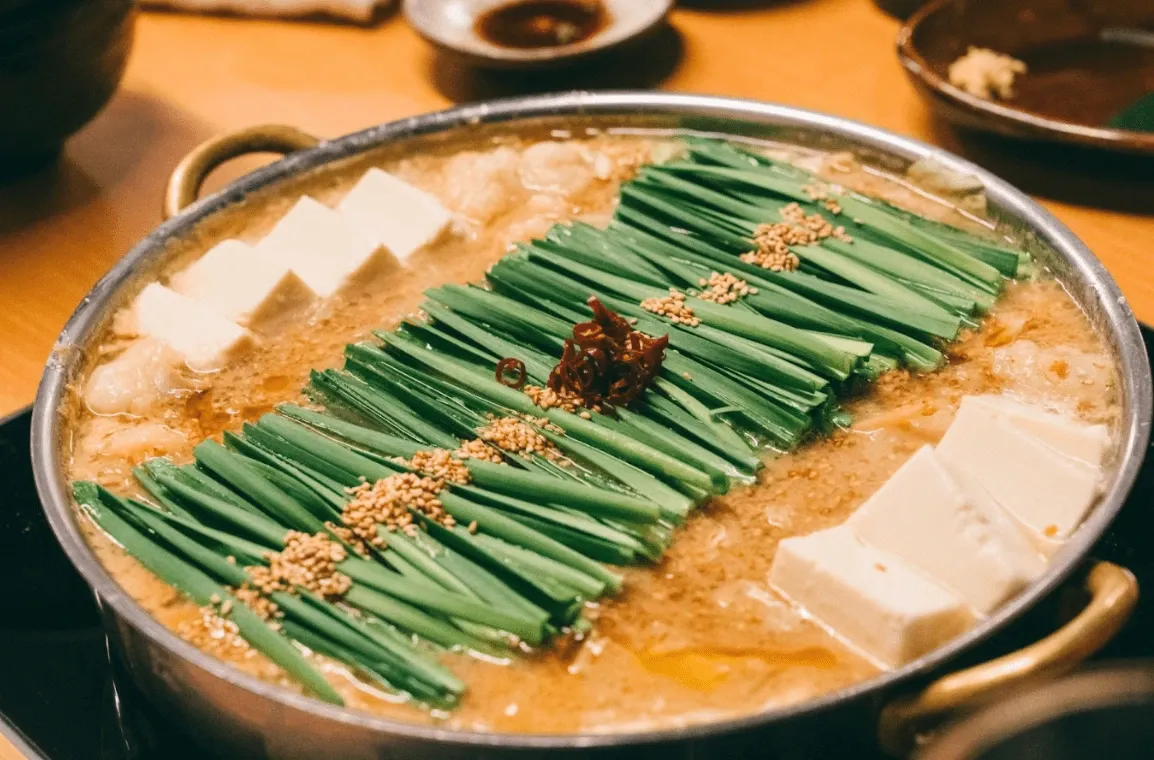
- Incredible food culture: Ramen, seafood, daily meals... You name it!
- A right-sized, welcoming community: It’s easy to meet people and Colive Fukuoka often acts as a natural hub for newcomers.
- Startup support for foreign founders: The Fukuoka-only Startup Visa lets you stay up to two years while building a business, with support worth up to roughly ¥120,000/month.
Cons
- Hot, humid summers and chilly winters: Fukuoka has Japan’s classic four-season climate, which takes some adjustment.
- Accommodation can be harder to find: Rising popularity means demand often outweighs supply, especially for affordable stays (Colive Fukuoka is a community, not a physical coliving space.)
- Limited workspace options: Japan still lacks widespread 24-hour coworking spaces and consistently strong Wi-Fi.
- Strict visa rules: Japan’s visa system is more restrictive compared to nomad-friendly countries like Thailand.
What’s the Cost of Living in Fukuoka for Digital Nomads?
Whenever people ask, “Can I live in Japan on a budget?” my answer is always the same: Fukuoka is far easier and more comfortable on the wallet than Tokyo. With a bit of planning, your money simply goes further here.
Supermarket prices are about 7.2% lower than in Tokyo, and you can still find street stall ramen for as little as US$2. A typical lunch set or ramen bowl usually costs US$5, and fresh seafood bowls often come in under US$10. It is rare to spend more than US$8 to US$10 on a solo meal, and even group dinners usually sit around US$20 per person. There is also no tipping culture in Japan, which makes budgeting easier.
Housing is the trickiest part of the equation. Stays under one month are treated as hotels, while anything over a month falls under rentals. For stays of one month or longer, furnished studios in central areas usually range from US$800 to US$1,200 per month. Shorter stays compete with tourism, so prices can fluctuate more.
Transportation is both affordable and efficient. Most subway or bus rides cost around US$1, and the city is compact enough to get around easily by bike. The Charichari bike sharing system is everywhere, and e-scooters, food delivery apps, and Uber are all available.
Fukuoka also has a strong café culture, with great local coffee typically costing around US$3. Depending on your housing choice and lifestyle, you can live comfortably here and still have room in your budget for weekend mini-trips around Kyushu.
How Is It To Work Remotely from Fukuoka?
Of all the cities I’ve lived in, Fukuoka is one of the friendliest for remote work. The infrastructure is solid, there are many quiet, laptop-friendly cafés with reliable Wi-Fi, and there’s an amazing mix of cross-industry meetups and even some free coworking options at certain hubs.
Internet and Connectivity
Internet access in Fukuoka is excellent. Most homes are equipped with high-speed fiber (100–300 Mbps), and 5G coverage is widespread. If you use a Japan eSIM (for example, Mobal), you can have both a local data connection and a Japanese phone number the moment you land.
Coworking Spaces in Fukuoka
- The Company: Fukuoka’s most trusted coworking brand with multiple locations (Tenjin, PARCO, Canal City, and more). Great for meeting startups and international freelancers.
- Fukuoka Growth Next: A renovated former school that now serves as an innovation hub with frequent events and meetups.
- WeWork (Tenjin, Hakata): Stylish, clean, and international in vibe, with excellent central locations.
Laptop-Friendly Cafés
- Rec Coffee: Fukuoka-born specialty coffee, calm atmosphere, great for deep work.
- Manu Coffee: Each branch has its own personality; lingering is welcome.
- White Glass Coffee (Hakata): Bright and airy with plenty of outlets, this is ideally located and perfect for remote work sessions.
- Appetito Cafe Metro (Tenjin): Open from 7:30 a.m., it’s a great choice for early risers who like to get a head start on their workday.
How’s the Digital Nomad Community in Fukuoka?
Fukuoka’s appeal is not just about lifestyle or cost of living. One of the biggest reasons people end up staying longer than planned is the sense of connection you find here.
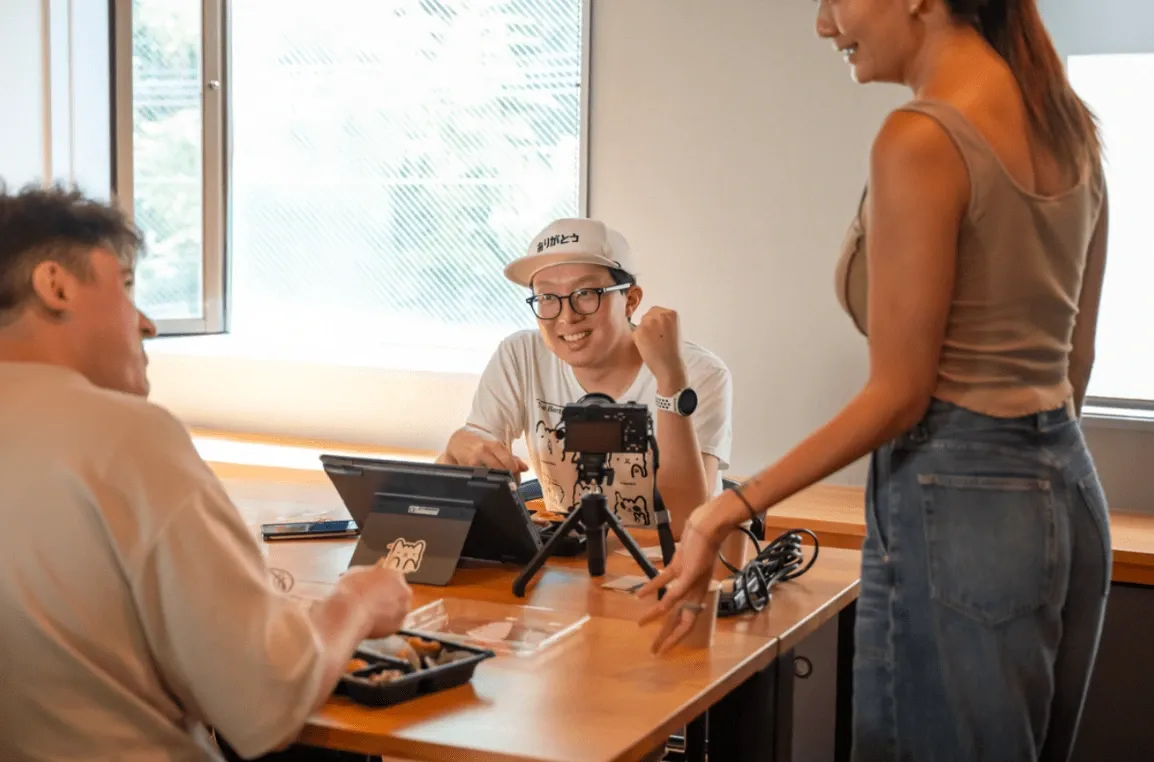
What started as a small trickle of nomads has slowly grown into a real, tight-knit community. The city is the perfect size. You run into the same people again and again, and relationships actually have time to grow. On any normal week, there might be a casual dinner, a beach cleanup, a language exchange, or a weekend hike going on. Telegram groups make it easy to stay in the loop and jump in without feeling awkward.
Every October, we also host Colive Fukuoka, a live-together, work-together experience where remote workers and creators spend several weeks sharing daily life in the city. It is not a conference. It feels more like building a temporary home together. And for many people, that short time is enough to change how they see Fukuoka for good.

Where to Stay in Fukuoka?
Fukuoka is a compact city, but each neighborhood has its own mood and rhythm. Where you stay really shapes your experience. It affects the pace of your days, the kind of people you meet, and even how you end up seeing the city itself.
That is why it is worth thinking about what kind of life you want to live here. Fast and connected. Calm and residential. Creative and social. Here are some of my recommended areas, depending on your lifestyle:
- Hakata: The most convenient area in the city. The shinkansen station, airport, and main bus terminal are all within about 15 minutes. It is ideal for short stays, frequent travel, or anyone who wants everything close at hand. You will also find countless hotels, cafés, and restaurants nearby.
- Tenjin: The lively heart of Fukuoka. This is where you will find trendy cafés, coworking spaces, shopping, and nightlife, all within walking distance. If you like being in the middle of the action, Tenjin is hard to beat.
- Momochi: A quieter, more upscale beachside neighborhood. It is perfect for morning runs, sunset walks, or working by the sea. A great choice if you prefer a slower, more relaxed rhythm to your days.
- Daimyo: Fukuoka’s creative center. Full of independent cafés, vintage shops, small galleries, and young energy. This is the area where you are most likely to stumble into interesting conversations and unexpected inspiration.
How Can I Get Around in Fukuoka?
Getting around Fukuoka is easy, and that’s one of the reasons daily life here feels so light. The city is compact, well-connected, and nothing ever feels too far.
Most of the time, I move around by bike. The Charichari bike share app is cheap, super convenient, and you will see those red bikes everywhere. If you prefer public transport, the subway and buses are clean, easy to understand, and very foreigner-friendly. The subway connects all the main areas, while buses take you almost everywhere else. Just get an IC card like Hayakaken or Suica, tap in and out, and you’re done.
Taxis are always available, but honestly, you will probably need them less than you think.
What’s the Best Time to Visit Fukuoka?
The best seasons to be here are spring and autumn. From March to May, the city fills with cherry blossoms. From October to December, the air gets cooler, the light softens, and the mountains around Kyushu turn red and gold. October is also when we host Colive Fukuoka, so the city feels especially alive.
Summer is hot and very humid. Temperatures can climb high, and it can feel heavy at times. Winter, on the other hand, is mild. Snow is rare, and life in the city does not slow down. Personally, I love the colder months for quiet cafés, long work sessions, and a more focused routine.
Every season has its own feeling here, and that constant change is part of what makes Fukuoka easy to fall in love with.
Are There Any Visa Options for Digital Nomads in Japan?
If you are thinking about staying longer in Japan, there are a few realistic ways to make that happen. These are the options most digital nomads I know personally tend to use:
Digital Nomad Visa (Launched in 2024)
For people earning over ¥10 million per year, with overseas employment and health insurance. It allows stays of up to six months.
Tourist Visa
Citizens of many countries can stay for up to 90 days. This is the easiest option for a first taste of Japan and what most people use for short term stays.
Working Holiday Visa
Available for citizens aged 18–30 from countries such as Australia, Canada, New Zealand, and many EU nations. It is valid for up to one year and offers a lot of flexibility.
Business Manager Visa
For those who want to set up a company in Japan. It requires capital of at least ¥5 million and is often used by founders launching startups or physical businesses.
What Are the Things to See and Do in Fukuoka?
I do not think Fukuoka is a city you “do” by ticking off a list of tourist sights. Its charm shows up when you slow down and start enjoying the small, everyday moments. That is when the city really opens up.
Here are some of my favorite ways to spend time in Fukuoka:
- Take a morning walk through Ohori Park, then sit by the lake with a slow coffee.
- Visit Maizuru Park and the Fukuoka Castle ruins, especially beautiful during cherry blossom season.
- Share ramen and yakitori with locals at the yatai, where conversations often last longer than the meal.
- Wander through Daimyo and Ropponmatsu, exploring small galleries, old bookstores, and quiet backstreets.
- End a workday watching the sunset at Momochi Beach.
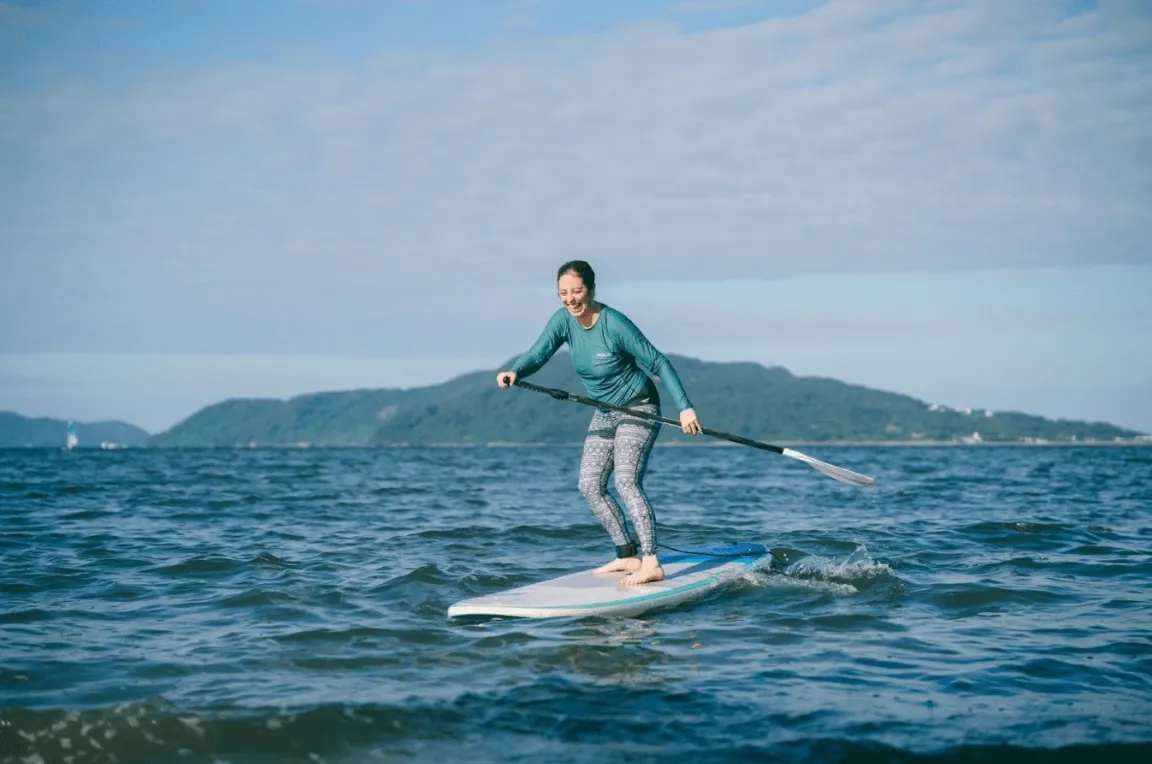
- Escape for a weekend to Itoshima, where beaches, forests, and cozy cafés are all within 40 minutes of the city.
- Visit Dazaifu Tenmangu Shrine and the Kyushu National Museum to reconnect with the deeper roots of Kyushu.
- And if you happen to be here in October, do not miss Colive Fukuoka… Some of the most unexpected encounters, connections, and defining moments of your journey might be waiting for you here.
Ready to Live and Work in Fukuoka?
Find places, workspaces, events and a community that gets you.
Get Freaking Nomads Pro
Written by
Ryo Osera
General Director of Colive Fukuoka 2024. I grew up in Nagasaki and now live in Fukuoka, where I focus on building community around remote work and shared everyday life.

Freaking Nomads is supported by you. Clicking through our links may earn us a small affiliate commission, and that's what allows us to keep producing free, helpful content. Learn more
Read Next

The Ultimate Digital Nomad Guide to Living in Bangkok

Tokyo for Digital Nomads: The Ultimate Guide