Learn how to learn
Learning how to learn is a superpower in 2025. Master just-in-time learning, AI, and mindset shifts to stay adaptable as a digital nomad.


I used to think I was a decent learner. After all, I could put together an IKEA bookshelf without losing my mind, and I had figured out how to make a passable Photoshop design when needed. But when I became a digital nomad, I quickly realized that learning in a structured environment is nothing like learning in real life, especially when you’re constantly on the move, switching careers, or trying to keep up with new tools and trends.
I remember when I first had to figure out how to build a website from scratch. I wasn’t a developer. I didn’t know how domains, hosting, or SEO worked, I just knew that if I wanted Freaking Nomads to exist, I had to learn fast.
I dove into online courses, watched YouTube tutorials, experimented with no-code tools, and hacked my way through it. I wasn’t just learning how to build a website, I was learning how to learn efficiently.
And right now, this is one of the most important skills you can have.
The world is changing faster than ever. AI, automation, and remote work are reshaping industries overnight. The job you have today might not exist tomorrow, and the skills you learned five years ago might already be outdated. If you’re a digital nomad, the ability to adapt and upskill quickly isn’t just useful—it’s survival.
So how do you actually learn how to learn? Here are some of the best methods, tools, and resources that have helped me:
1. Embrace the "Just-in-Time" Learning Approach
Instead of passively consuming information, focus on learning what you need right now. When I needed to figure out how to build our remote job board, I didn’t take a six-week coding course—I found a no-code solution, learned enough to make it work, and improved along the way. One of the methods that helps me a lot is the Zettelkasten Method, a way of organizing knowledge so you can retrieve and apply it later. It made it easier to connect ideas and build on what I was learning, rather than just storing random information.
2. Use Spaced Repetition for Retention
Ever read something, feel like you understand it, and then forget it a week later? That’s because we don’t retain knowledge without reinforcement. Apps like Anki or Brainscape help by spacing out reviews just before you’re about to forget. I use this technique for learning new languages and keeping up with trends in tech.
3. Learn by Teaching or Sharing
The best way to internalize something? Explain it to someone else. Whenever I’m learning something new, I try to write about it, share it with the community, or break it down in a way that even a beginner could understand. It's basically the Feynman Technique, which is all about simplifying concepts as if you were teaching them to a five-year-old. The process of explaining forces you to identify gaps in your understanding, making the knowledge stick.
4. Use AI as a Learning Assistant (Not a Crutch)
Some people theorize AI is going to replace us. In my humble opinion, it will replace people who don’t know how to use it effectively. Instead of fearing AI, treat it as your personal tutor. I use it a bunch to quickly research new topics, summarize books, and even troubleshoot tech issues.
5. Get Comfortable with Being a Beginner
The hardest part of learning is getting past the frustration of not knowing. Every time I pick up a new skill, whether it's learning a new no-code tool or understanding coding, I remind myself that feeling lost is part of the process. Instead of saying I don’t know how to do this, I now say I don’t know how to do this yet. That small shift in mindset makes a huge difference.
Learning how to learn is the closest thing to a superpower. The more adaptable you are, the more freedom you have, whether that means switching careers, picking up a new skill on the go, or figuring out how to make a living in a completely new way.
🗞️ What's new in the nomad world
- Bali’s done with budget travelers. The island is considering a Bhutan-style daily tourist tax to scare off low-spending visitors and preserve its culture. Officials hope the move will shift Bali's tourism model from quantity to quality, attracting high-value travelers while promoting sustainability. If Bali is on your budget travel list, it might be time to rethink your plans!
👀 What else...
- Digital nomad insurance: What is it and is it REALLY worth it? Regular travel insurance won’t cut it when you’re living on the road. Missed flights, lost laptops, or getting food poisoning in the middle of nowhere? You need a plan that actually covers the realities of nomad life. We’ve broken down the best providers and what to look for—because let’s face it, your health and gear are everything.
- And for our Canadian nomads...Your provincial health plan won’t save you abroad. OHIP and friends barely cover emergencies, and if you’re applying for a visa, proof of insurance is a must. We’ve rounded up the best nomad-friendly options, from SafetyWing’s flexible plans to Heymondo’s high coverage.
✨ Our favorite nomad quote for this week
"We wander for distraction, but we travel for fulfillment." – Hilaire Belloc
💼 100% remote jobs handpicked for you

Who is hiring this week? Here are some top roles to check out:
- Project Manager at New York Family Dentistry
- Senior Transaction Monitoring Specialist at Nivoda
- Content Writer at GrowthX Labs
- Marketing Specialist at 1840 & Company
- Staff Domain Engineer at Halcyon
💡This week's pick (to make your life easier)
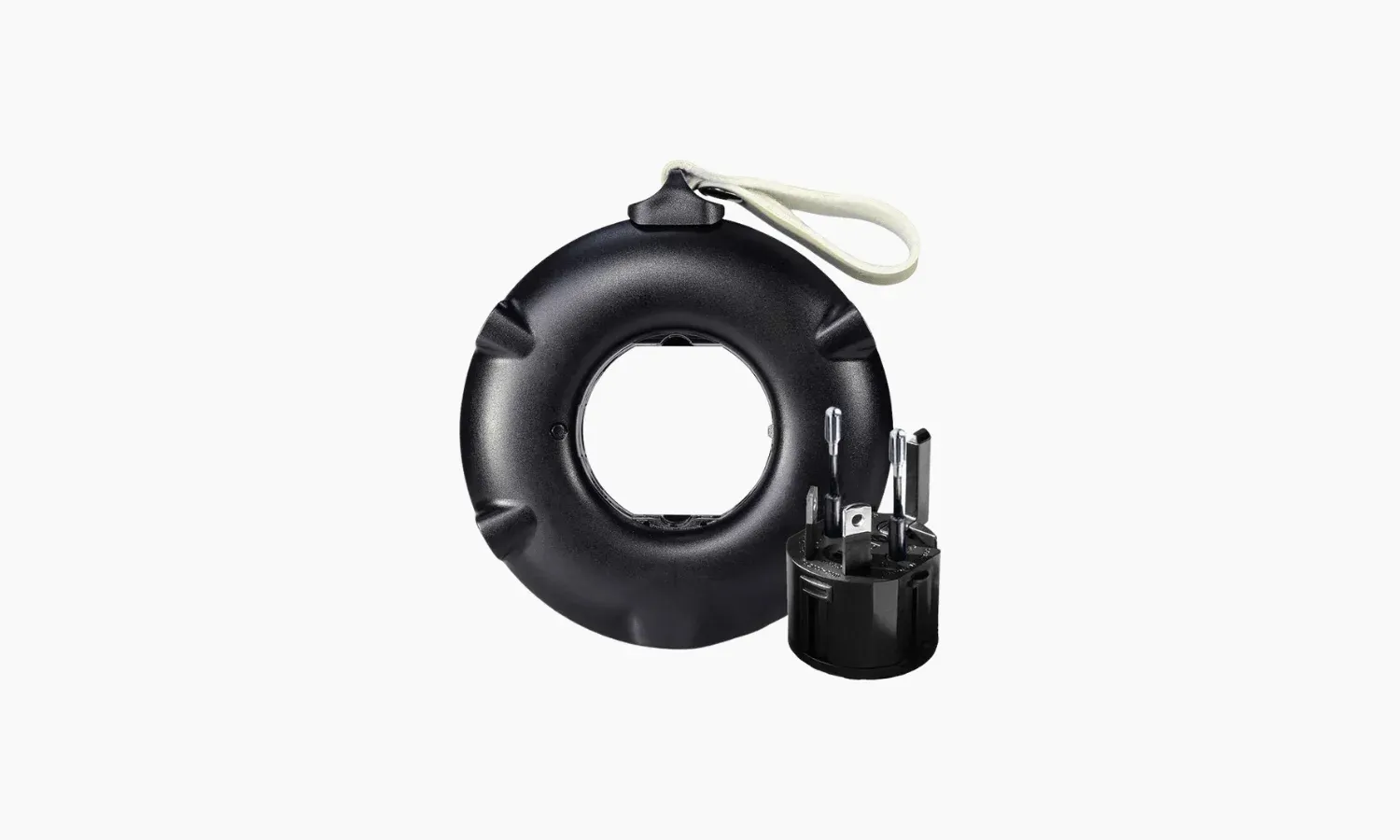
If you’re a digital nomad who’s tired of tangled cords and bulky adapters, the MOGICS Super Bagel is about to change your life. This clever little power strip shaped like a donut (yes, really 🍩) is the ultimate travel companion for keeping all your devices charged and ready to go.
- Power for everything – It’s got 5 slots for your devices, including AC outlets, USB ports, and even a USB-C port for fast charging.
- Works anywhere – Comes with interchangeable plugs that fit sockets in over 150 countries, so you’re covered whether you’re in Tokyo or Tulum.
- No more cord chaos – The round design keeps everything neat and tangle-free, so you can actually fit it in your bag without a struggle.
- Safe and reliable – Built-in surge protection and a fire-resistant casing mean your gear stays safe while it charges.
- Portable and lightweight – Fits perfectly in your carry-on or backpack, so you can take it anywhere.
Looking for more gear to make nomad life easier? Check out our full guide.
That's all for this week.
Don't forget to follow us on Instagram and Threads if you want to get in touch with other members of the FN community.
We'll see you there, Freaking Nomads!
Find places, workspaces, events and a community that gets you.
Get Freaking Nomads Pro
Written by
Irene Wang
Digital nomad and co-founder of Freaking Nomads. She shares raw, unfiltered stories and helps nomads find resources to thrive while traveling and working remotely.

Freaking Nomads is supported by you. Clicking through our links may earn us a small affiliate commission, and that's what allows us to keep producing free, helpful content. Learn more
